
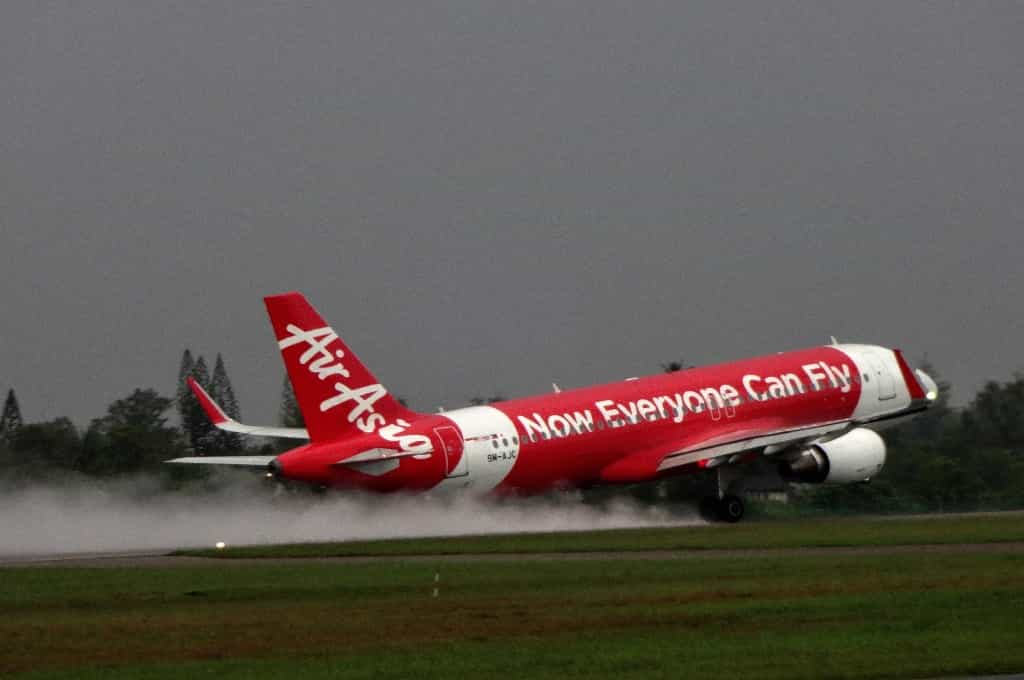
In recent years, we have witnessed the rising popularity of Budget Airlines. The travelers are offered surprisingly low fares to fly around the world. After surfing the net, you might have also found a real bargain. Securing a great deal on airfare is the perfect start to a great vacation. But before you click “buy now,” take some time to confirm whether it is truly the cheapest option. Budget airlines often use tactics to inflate ticket prices discreetly. The hidden costs and tricky price traps are usually buried in the fine print. There is a significant gap between the prices you see and the amount you actually pay for your trip. Let’s have a look at these potential ‘extra’ fees that may inflate the actual cost of your airline tickets.
What exactly is a Budget Airline?
Budget Airlines, also called Low-cost Airlines and No-frills Carriers, offer flights at significantly lower prices than traditional carriers. There is no business class, and economy seats are narrow with little legroom. Their primary aim is to keep ticket prices low. Ow-cost carriers strip flights down to the basics and upsell several extras – meals, pre-assigned seats, in-flight entertainment, and other passenger services. The passenger is required to pay for in-flight meals and drinks, seat reservations, printing boarding passes, checked baggage, credit card charges, and other fees.
No-frills carriers also reduce costs in other, less obvious ways for passengers. Use smaller, outer-layer airports and offer odd flight times to avoid hefty user fees. The airstrips used by such carriers are often very far from the terminal, and you might have to spend 15-20 minutes on the bus to reach the terminal after landing. These savings are then passed on to the consumers. Some of the most popular budget airlines include Ryanair, EasyJet, Indigo, Jetstar, AirAsia, Tigerair, Wizz, FlyZoom, Southwest, JetBlue, and Spirit. To get an idea about the hidden costs, check this.
Hidden Costs of Low-Cost Airlines

1) Luggage
Luggage is the primary factor driving your airfare, as permitted baggage allowances have fallen sharply in recent years. Many airlines have begun restricting hand luggage to small bags, and you must pay for carry-ons. Low-cost carriers mostly charge for checked bags and sometimes carry-ons. If your baggage is even slightly over the permitted allowance, you will incur exorbitant charges. The additional costs may be significant if you are traveling with heavy bags. When comparing fares, don’t forget to check the baggage weight and size restrictions, as these fees vary widely among airlines.
2)Meals and Beverages
One of the most common traps is the extras that you are tempted to buy during flights Y u end up spending a few hours getting to the airport and completing all the formalities M als and beverages are things that you might need on the flights S ch services are typically included when you fly traditional airlines B t these freebies aren’t available on low-cost airlines T satisfy your hunger, you are forced to buy expensive & crappy food and drinks on flights Y u have the option to eat something at the airport before you board the plane I may still be costly, but the quality would be significantly better O you can pack something from home to eat during your journey F nish your drinks before security; any remaining will be confiscated.
3) x and Charges
Typically, full-service airlines include airport taxes and credit card charges in the quoted fare. In contrast, budget airlines may charge them separately Do ’t be misled by the initial prices Th t may be the base fare, with additional fees, taxes, and surcharges Al these extras significantly increase the actual cost of the tickets By the time you reach the point of purchase, fares will have increased considerably Av id credit cards and use payment options that don’t incur any additional fees Be ore processing the final payment, check all the add-ons and the final fare.
4) Ex as
The tickets have been sold, but the low-cost airlines would try to extort money for little services that you had taken for granted in the past You have to pay for selecting a seat, checking in at the airport, printing boarding passes, making an offline booking, etc Don t fall into the trap Pla to save money Fre online check-in via budget airlines’ official websites is easy and convenient Why stand in long queues and pay to get your boarding pass at the airport Off ine booking incurs a fee because an agent must spend time making your reservations Lab r is expensive. You may incur an additional cost. Online booking is the way to go. Low-cost carriers may offer free seats in the middle row or at the back of the aircraft. If you prefer window or aisle seats, you will need to pay an additional fee.
5) Cancellations and Refunds
The tickets sold by Low-cost Carriers are mostly non-refundable and non-changeable For cancellations or changes, no refunds will be issued The most you will receive is a credit voucher for future travel Buy a ticket on a budget airline only if you are confident you will catch that flight Cho se a more flexible option with a full-service airline if you are not 100% sure about your trip If he airline delays, cancels, or reroutes the flight, you won’t get any compensation, alternative travel arrangements, or hotel accommodation Eve if it’s the fault of the airlines, you are left to fend for yourselves Mor over, they follow stringent timelines If ou are even slightly late for check-in or boarding, your ticket will be forfeited, and you won’t be eligible for any refund or credit.
6) Destination/Departure Airports
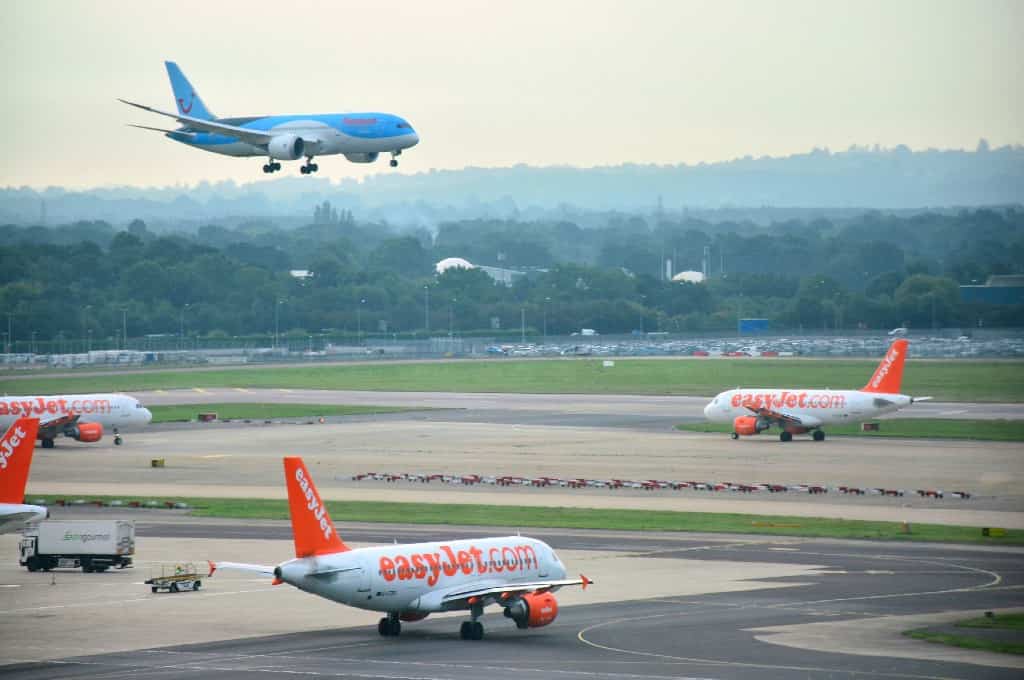
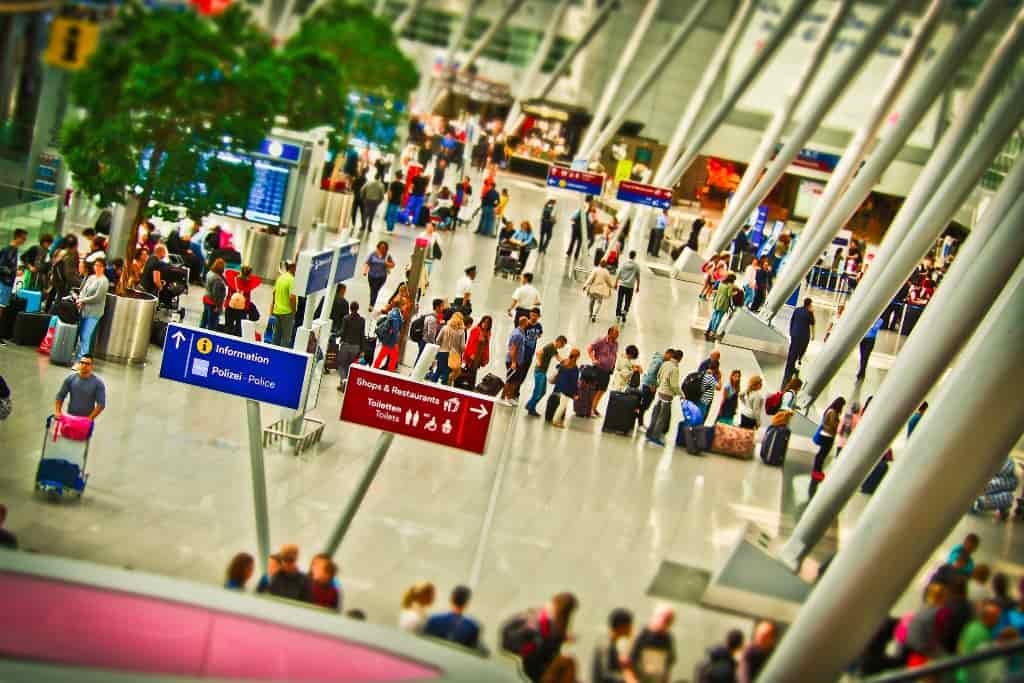
Nowadays, it is common practice to have multiple terminals. The main terminal is dedicated to full-service airlines. At the same time, the other serves budget airlines Low cost carrier terminals may have fewer amenities, minimal passenger services, limited parking, and be farther from the city All this adds up to the cost Man cities have two airports, and budget airlines are typically assigned to the secondary airport You might depart/arrive at an airport that is in the middle of nowhere with no public transport or airport shuttle service For example, most Low-cost carriers fly to and from Gatwick Airport, London, and not the main Heathrow Airport It s challenging and expensive to reach Gatwick Airport Che k the cost and frequency/availability of public transport from these secondary airports before making your reservations.
7) Flight Timings and Routes
Low-cost carriers try to save operational costs by running flights at odd times – early morning, late evening, or night flights Bef re booking the ticket, pause and consider other logistics Wou d you be able to find a to-and-fro public transport at such bizarre times Are you paying for an extra hotel night by arriving late at your destination If ou are forced to use a taxi or book an additional night, any savings that you may have made while booking tickets on a Budget Airline would go for a toss Low cost carriers have limited coverage, so you may be required to make one or two stopovers to reach your destination Wei h the potential inconvenience and the other costs involved before opting for a ‘cheaper fare’.
Budget Airlines keep coming up with tricks and deceptive ways to compensate for cheap ticket prices The will try to sell you products you don’t need You may be tempted to buy a $20-dollar flight to your dream destination, but slowly realize that the fare has tripled or more as hidden costs mount up Do our research, plan, stay vigilant, and calculate costs before you buy anything.