

Thailand continues to be one of the most popular and easiest places to visit on the eastern side of the globe. With its golden temples, picturesque islands, sandy shoreline, colorful culture, mouthwatering cuisine, and warm-hearted locals, it’s easy to fall in love with the ‘Land of Smiles’. While Thailand welcomes tourists with open arms, it also has strong cultural values and deeply rooted traditions. Given Thailand’s complex cultural tapestry, a basic awareness of cultural sensitivities and local expectations can demonstrate respect, avoid unnecessary complications, and ensure a smoother, more fulfilling experience.
Knowing exactly what NOT to do matters just as much as figuring out where to go or what to see. Aside from unfamiliar traditions, understanding what is socially acceptable and being aware of potential scams and safety concerns are essential to getting the most out of your holiday. Even minor, accidental errors can be offensive—or, in some situations, result in serious legal consequences. Here is a list of things to avoid while on holiday in Thailand.
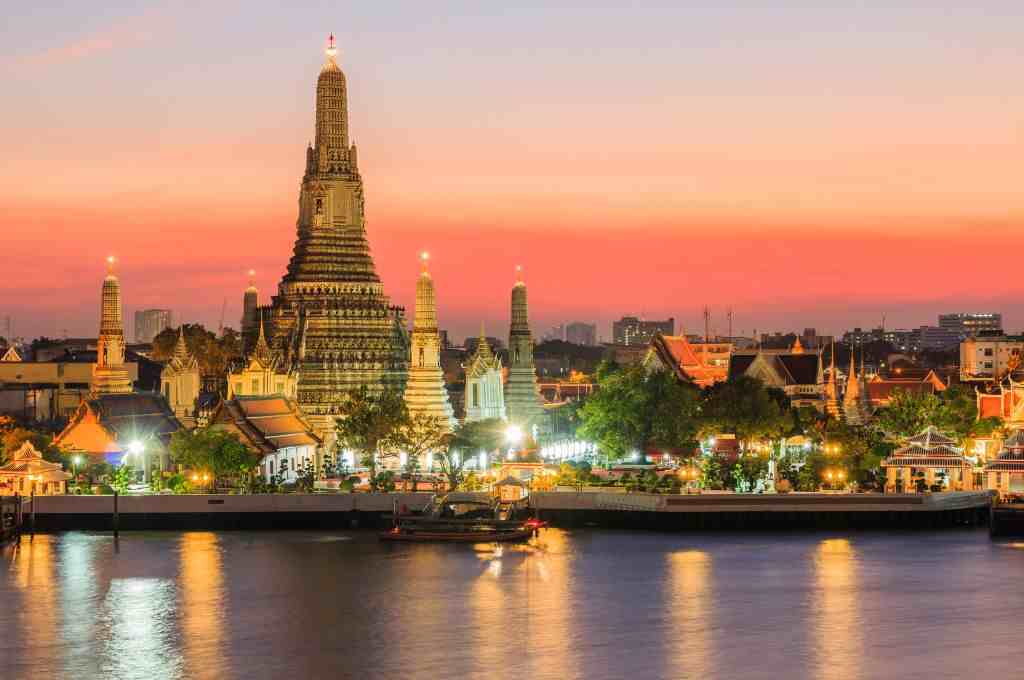
1) Do NOT talk about the Royal Family
Thailand’s lèse-majesté laws prohibit criticism or disrespect of the royal family. The Thai people deeply admire the royal family and are very sensitive about the matter; therefore, they avoid discussing it. Even casual statements or jokes by tourists regarding the King or the Thai government can result in severe consequences, including lengthy prison sentences. Never show disrespect for the monarch or depictions of the royal family, including Thailand’s currency, which bears the King’s image.
2) Do NOT Touch Anyone’s Head
In Thailand, the head is considered the most sacred and cleanest part of the body. Hence, touching someone’s head (including children) is considered disrespectful. Do not touch someone’s head, especially if they are older or more senior. This gesture, while seemingly harmless in other cultures, is considered highly insulting in Thailand.
3) Do NOT Vape
Importing, selling, possessing, or using e-cigarettes or vaping devices is prohibited throughout the country. The law applies to both foreigners and Thai nationals. It is best not to engage in any unlawful activities, as it can ruin your vacation. If you are a smoker, switch to regular cigarettes during your stay. Keep in mind that smoking is prohibited in public areas and can result in severe penalties.

4) Do NOT Wear Revealing Clothes in Religious Places
Thailand is very mindful of dress codes and expects visitors to dress appropriately when visiting temples and other sacred sites. You can wear whatever you want on the beach, but if you plan to visit a temple or royal palace, dress modestly. Do not wear shorts, halter/tank tops, or see-through clothing. This goes for both men and women. Women are expected to cover their shoulders, cleavage, and knees. Many temples provide scarves and long skirts for covering your arms and legs if needed; however, it is preferable to come prepared.
5) Do NOT Indulge in Drugs
Thailand’s thriving nightlife contributes to illegal activities. If you visit a nightclub or a pub, you might be offered drugs. According to Thai law, both the distribution and possession of any illicit drugs are illegal. Being caught with even a small amount of a prohibited substance can land you in serious trouble. Crossing borders with drugs is punishable by death. To ensure your safety and well-being, avoid any drug-related activities.
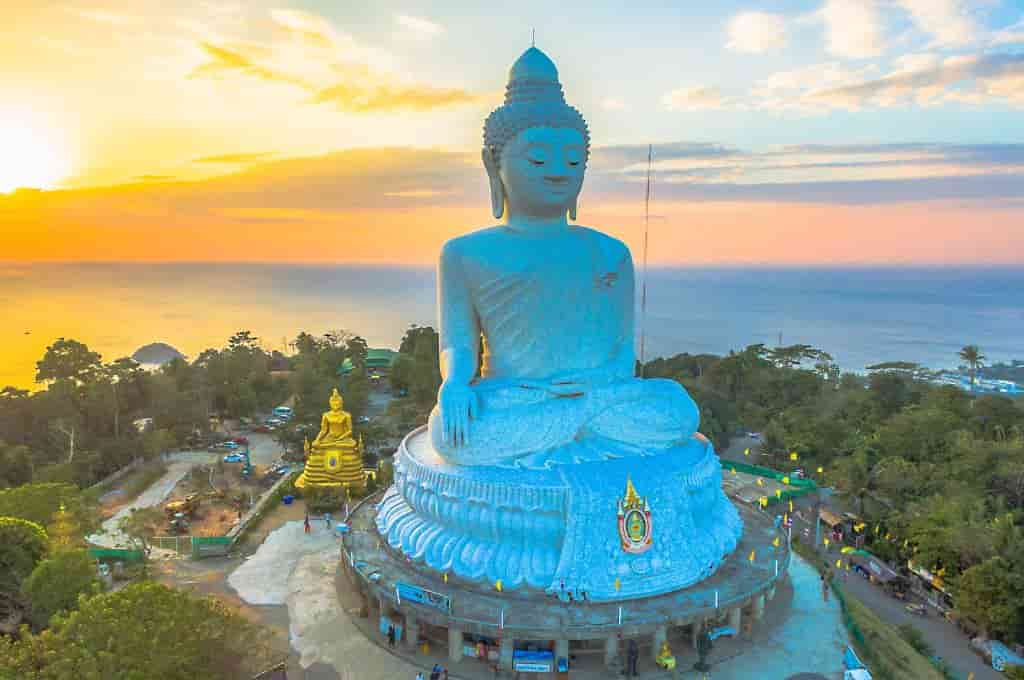
6) Do NOT Wear Shoes When Entering Certain Places
It is customary in Thailand to remove your shoes before entering homes, temples, and even some shops and restaurants. It is regarded as a mark of respect and a means of maintaining cleanliness. If you find piles of shoes outside a house, take your own before entering. Most homes will have a designated shoe rack at the entrance. Do the same with shops and temples.
7) Do NOT Touch Monks
This primarily applies to women, who are not permitted to come into physical contact with monks. Buddhist monks are highly venerated in Thailand and are considered free of worldly desires and lust. If you are a female traveling to Thailand, you should keep a respectful distance and never sit next to or pass anything to a Buddhist monk. If you want to give something to a monk, put it down so they can pick it up.
8) Do NOT Disrespect the Buddha
Buddha images and statues are considered sacred in Thailand. Any disrespect, such as climbing on Buddha statues for photos, getting a Buddha tattoo, or wearing clothing with Buddha images, is considered highly offensive. Do not click goofy selfies or pictures with Buddha idols. Please avoid sitting or standing with your back to a Buddha statue.
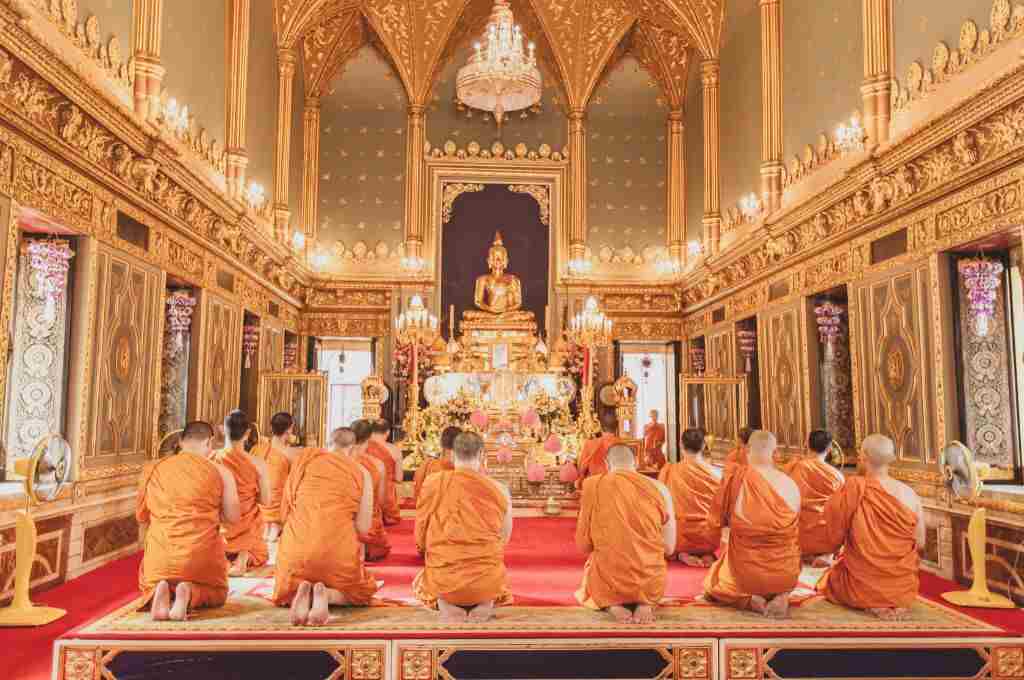
9) Don’t point your feet at People or Sacred Objects
In Thailand, the feet are considered the lowest and dirtiest parts of the body. Therefore, never point them at people, sacred artifacts, or statues. Even casually placing your feet on tables or chairs is considered very insulting. If you’re sitting in a temple or a traditional home, never point your feet at another person, monk, or Buddha statue. Sit cross-legged or with your legs tucked in so your soles are not exposed. Do not step over people, food, or sacred objects such as Buddha statues.
10) Do NOT Rely on Plastic Money
Thailand is predominantly a cash-based society. Plastic money, such as credit cards or forex cards, is not widely accepted in Thailand. Credit cards are accepted only at larger establishments, and they often incur a 3% surcharge. Most tourist attractions, small stores, restaurants, and food vendors take only cash. You can withdraw money from ATMs. To avoid repeated service charges and additional fees, it is best to withdraw a large amount in a single transaction.
11) Do Not Display Excessive Affection in Public
Kissing or hugging in public is common in many countries, but frowned upon in Thailand. The country has a more conservative approach to public displays of affection. Holding hands is acceptable, but kissing or snuggling in public can attract unwanted attention, particularly in temples or in rural areas.

12) Do not Gamble
Apart from the government-sponsored Thai lottery and horse racing, almost every form of gambling is illegal in Thailand. There is a temptation to participate in illicit gambling activities such as casinos or poker, but it is advisable to steer clear if you do not want to end up in jail.
13) Do not take Photos With Captured Animals
Tourists are frequently offered photo opportunities with illegally obtained wildlife in destinations such as Pattaya, Phuket, Bangkok, and Koh Samui. Touts roam the streets with their lizard, snakes, gibbons, birds, and other animals, offering them to tourists for photos. These wildlife species are caught in the wild and kept in captivity purely for commercial purposes. Because wild animals can be hazardous, they are often heavily sedated and have their fangs and claws removed. So, if you don’t want to be part of this horrible and sinful deed, don’t take pictures with such wild animals.
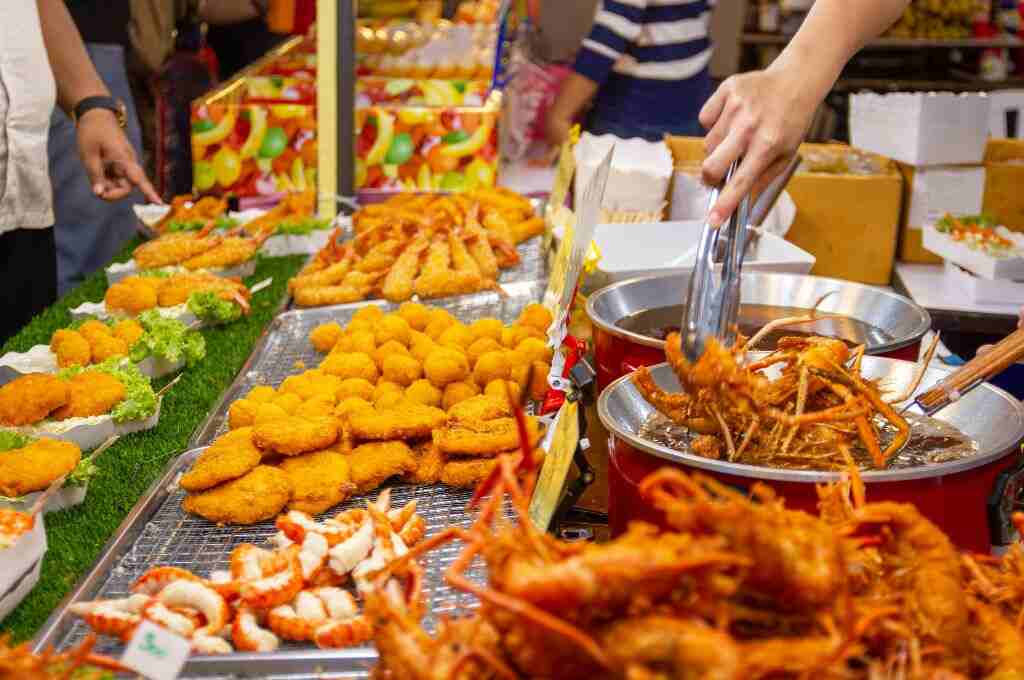
14) Do NOT Rely Solely on Street Food
Thailand’s street food is legendary, with seemingly endless options. Every street and corner in Thailand is lined with food vendors serving delectable dishes. You’ll enjoy these delicacies and want more, but be cautious. Eating street food can be risky, and you don’t want to become sick on your trip. Don’t go crazy with your street food ventures. Explore different restaurants and dining options. When choosing a street vendor, trust the locals. If locals visit the stall, chances are that it’s tasty and safe.
15) Do NOT Assume Everyone Speaks English
Although English is widely spoken in tourist regions, it is not universal. Locals in major towns and tourist sites, including Bangkok, Chiang Mai, Phuket, Koh Samui, and Krabi, speak English, making communication easy. However, if you visit smaller towns or villages, you may need to learn some basic Thai. For the rest, you must communicate via hand gestures and Google Translate.