
Spain ranks among the world’s most popular tourist destinations, drawing millions of visitors each year for its rich cultural heritage, fascinating history, unique geography, and vibrant urban life. Situated in southwestern Europe, it showcases a distinctive blend of Roman, Islamic, and Christian influences, along with strong regional identities. From the bustling streets of Madrid and the Modernist masterpieces of Barcelona to the flamenco heritage of Seville and the legendary nightlife of Ibiza, every corner of Spain offers something unique and unforgettable.
Whether you are looking to explore wild Mediterranean coastlines, meander through medieval towns, explore cosmopolitan cities, visit Moorish palaces, or trek through spectacular mountain landscapes, Spain has you covered. It’s a country you can return to again and again, always finding something new. Each destination in Spain offers unique landmarks and hidden gems, making choosing where to visit quite challenging. Since most travellers have limited time, we must choose carefully. This list of the top 10 places in Spain showcases locations that collectively embody the country’s spirit.
1. Barcelona, Spain
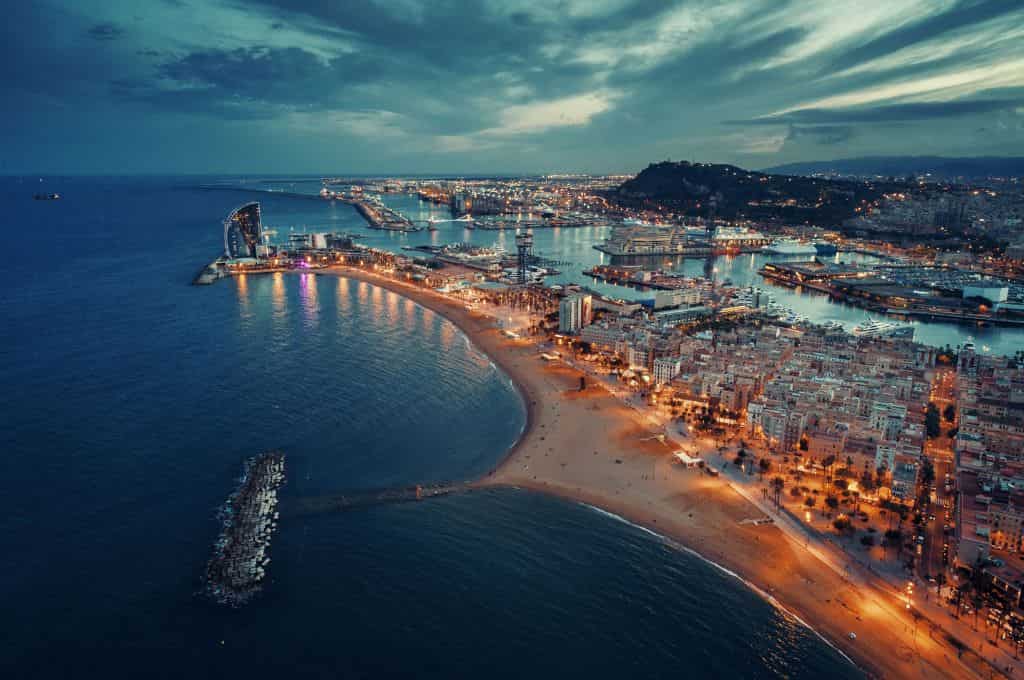
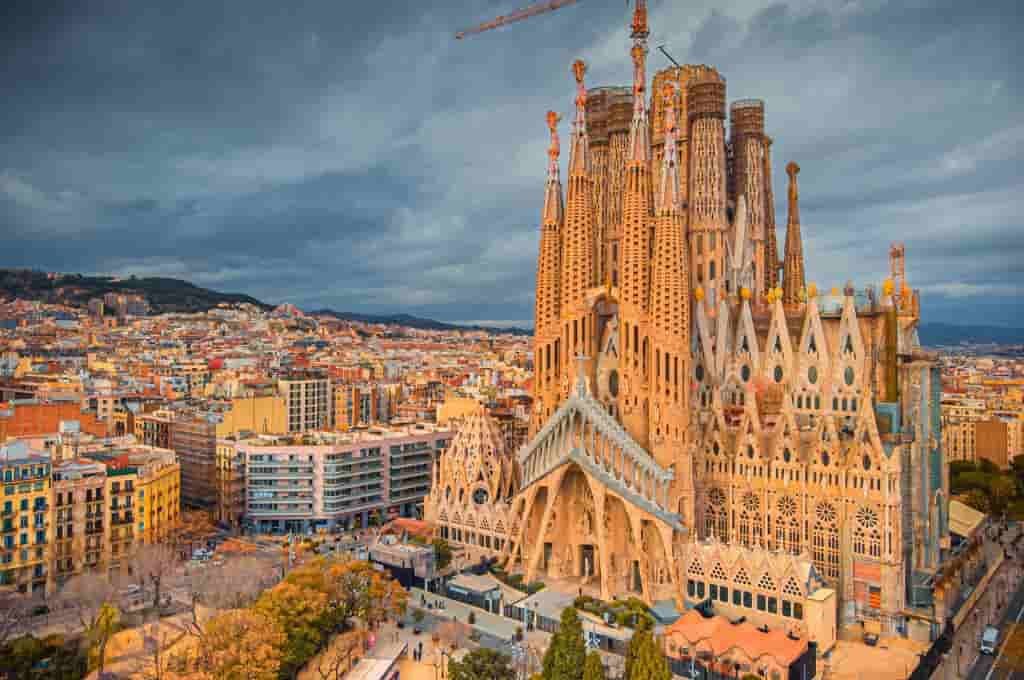
Barcelona is one of Spain’s most internationally recognized cities and a major cultural hub. This Catalan metropolis combines rich history, world-class art, and a relaxed Mediterranean lifestyle. Iconic landmarks such as the Sagrada Família, Park Güell, and Casa Batlló define the city’s unique aesthetic, with Antoni Gaudí’s whimsical architecture appearing throughout the urban landscape. Its most famous attraction, La Sagrada Família, remains under construction nearly a century after Gaudí’s death.
Yet Barcelona is more than its architecture. Visitors are drawn by its pleasant climate, excellent cuisine, cozy tapas bars, vibrant nightlife, and a dynamic cultural scene featuring museums, galleries, and music festivals. A strong emphasis on design, innovation, and contemporary culture has solidified its reputation as one of Europe’s most dynamic cities. It’s the kind of place you come to enjoy yourself—and quickly find you never want to leave. In Barcelona, you can admire Gaudí’s work, stroll along bustling Las Ramblas, visit the renowned Picasso Museum, explore the centuries-old Barri Gòtic and atmospheric Gothic Quarter, relax on the city’s beaches, and enjoy sweeping views from Montjuïc Hill. Barcelona truly has something for every traveller.
2. Madrid, Spain
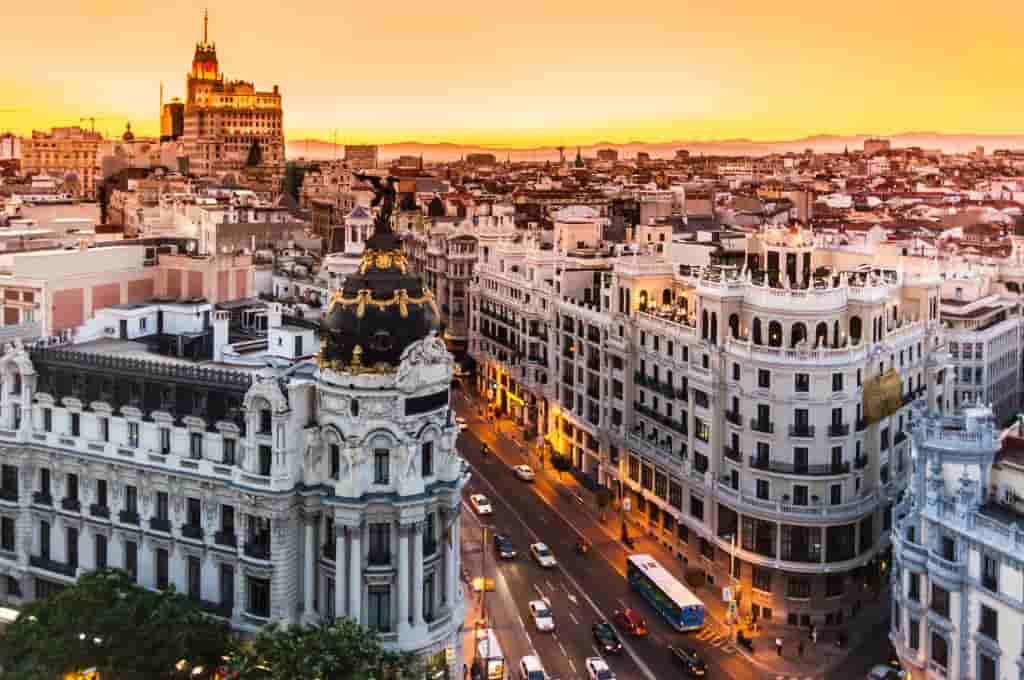
Madrid, the capital of Spain, is the country’s political, economic, and cultural heart. It is especially renowned for its world-class art museums—the Prado Museum, Reina Sofía Museum, and Thyssen-Bornemisza Museum—which together hold some of the finest art collections in the world. Iconic landmarks such as the Royal Palace, El Retiro Park, and Plaza de España line its streets and squares. Gran Vía, also known as the “Spanish Broadway,” stretches 1.36 km from Calle de Alcalá to Plaza de España and is one of Madrid’s most iconic streets. Completed in 1924, this historic boulevard is well known for its opulent 20th-century architecture and a wide range of retail stores, theaters, and exciting nightlife.
The city plays a key role in Spanish literature, music, and performing arts. Its cultural life spills out into lively public spaces, vibrant nightlife, bustling plazas, stylish bars, and excellent shopping districts. Madrid’s central location also places it close to many other major attractions in mainland Spain. Thanks to high-speed train networks, day trips to historic cities like Toledo, Segovia, and Córdoba are quick and convenient. Spend your days browsing museums, marvelling at the Royal Palace, savouring tapas, watching a traditional flamenco performance, cheering at a football match in the Santiago Bernabéu, or taking an easy excursion to Toledo—Madrid offers plenty to fill several memorable days.
3. Seville, Spain
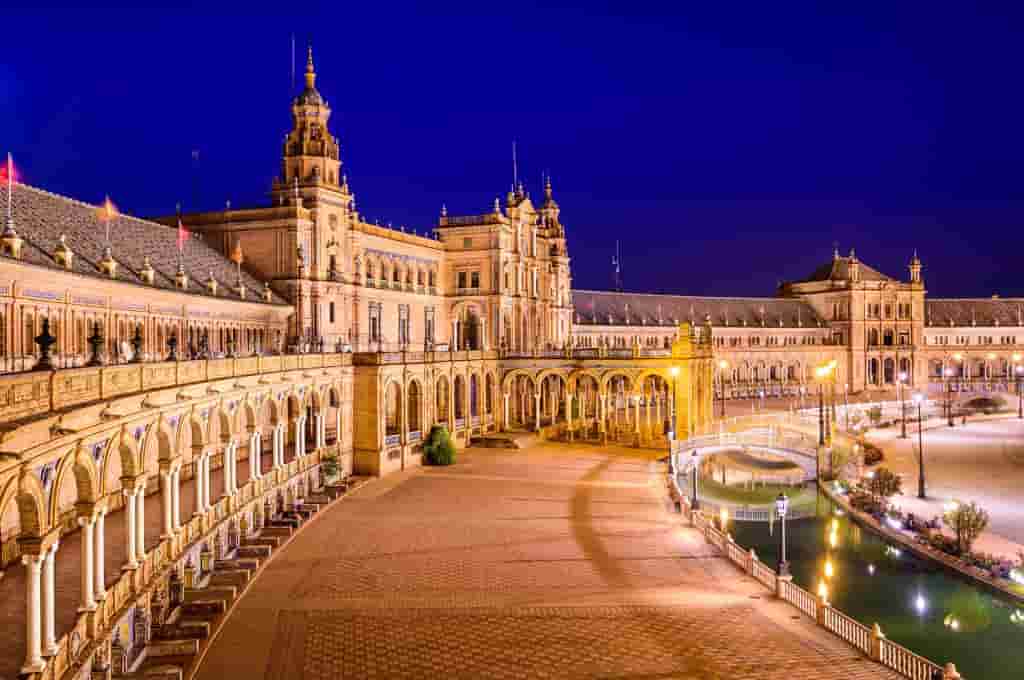
This beautiful, serene city in southern Spain is the capital of Andalusia and widely considered the birthplace of flamenco. It offers a captivating blend of grand Moorish palaces, majestic architectural masterpieces, orange tree–lined streets, elaborate plazas, excellent tapas bars, and a lively, cheerful atmosphere that quickly becomes addictive. Landmarks such as the Alcázar of Seville (a stunning example of Mudéjar architecture), the Giralda Tower, Plaza de España (a monumental square with a canal and bridges), and Seville Cathedral (the largest Gothic cathedral in the world) highlight the city’s layered Moorish and Christian heritage.
Seville’s historic city centre—one of the largest in Europe—immerses visitors in Spain’s past through its streets, courtyards, monuments, and colourful plazas. In the Santa Cruz neighbourhood, charming narrow alleys open onto inviting courtyards, picturesque squares, flower-filled balconies, and outdoor cafés. Seville also serves as an ideal base for exploring Andalusia. From here, Córdoba, Málaga, and Granada are all within easy reach.
4. Granada, Spain
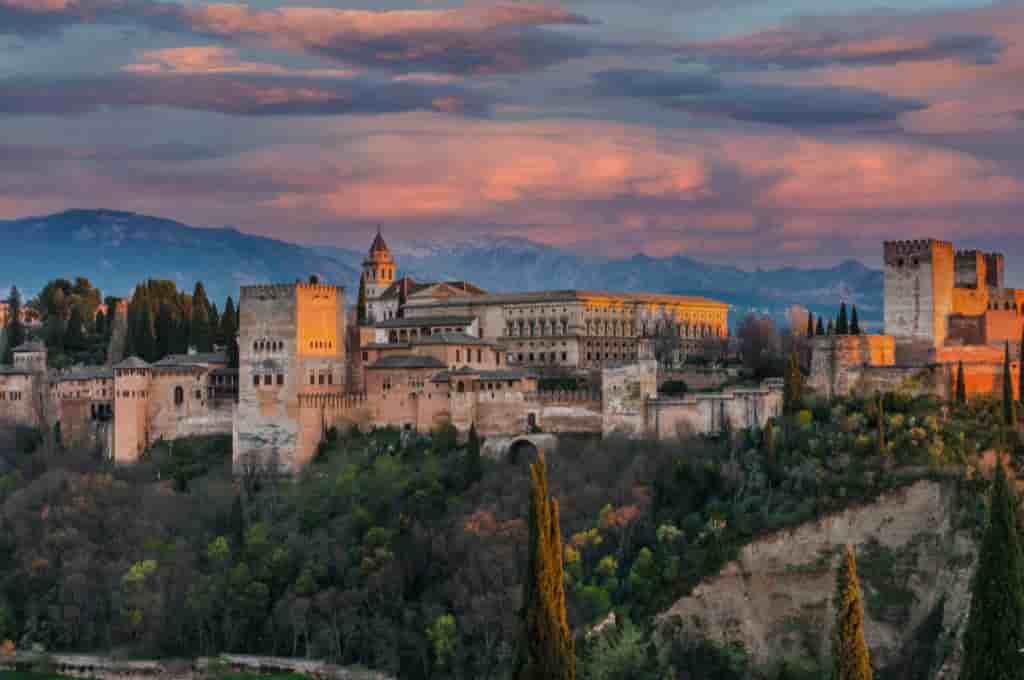
Another major historic destination in southern Spain, Granada, offers a captivating mix of Moorish palaces, lush gardens, and dramatic viewpoints. Nestled at the foot of the majestic Sierra Nevada mountains, the city offers sweeping vistas of the surrounding countryside, but it is the city’s fascinating past that truly sets it apart.
Granada’s iconic landmark is the Alhambra, a breathtaking hilltop palace-fortress that dominates the skyline. Considered one of Spain’s finest examples of Moorish architecture, the Alhambra is a UNESCO World Heritage Site. Its royal residences, which also functioned as defensive strongholds, have been carefully preserved since their construction in the 13th and 14th centuries. Among its greatest highlights are the Nasrid Palaces, built for the Muslim rulers of Granada and renowned for their intricate stucco work, graceful arches, and serene courtyards. Even travellers who are not especially drawn to history or architecture will find the Alhambra’s elegant gardens and courtyards enchanting.
Beyond this complex, Granada is dotted with medieval streets and lively plazas. Neighbourhoods such as the Albaicín showcase the city’s multicultural heritage and offer unforgettable views of both the Alhambra and the Sierra Nevada. As the last Muslim-ruled city in Spain before the Christian Reconquista, Granada holds a unique place in Spanish history.
5. Córdoba
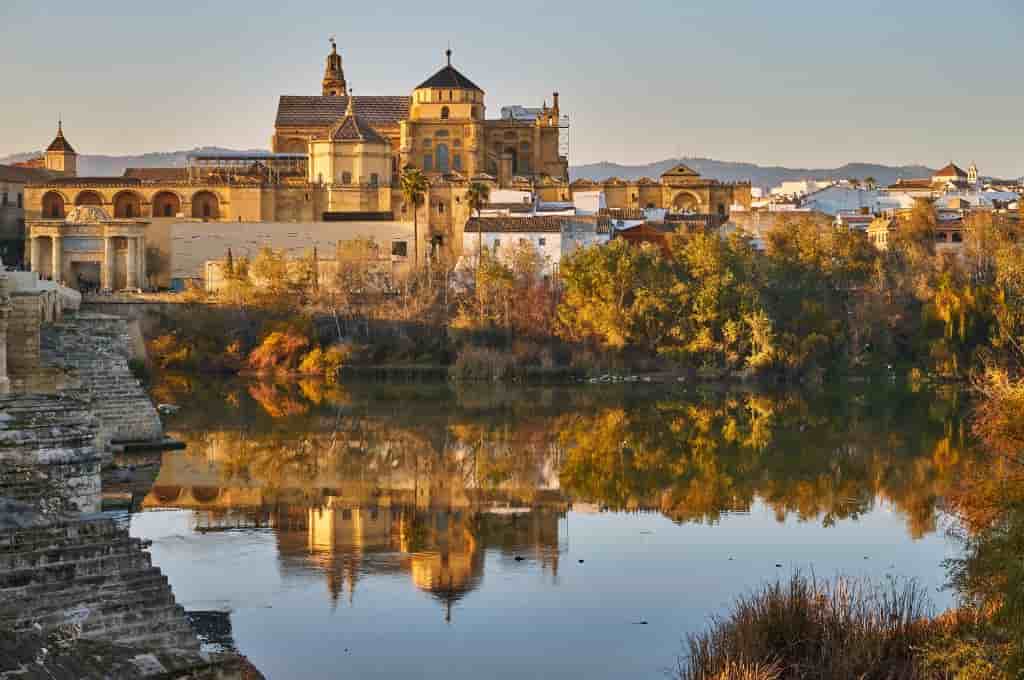
Córdoba is renowned for its distinctive architectural and historical heritage, with the Mezquita-Catedral—also known as the Great Mosque—serving as its main attraction. Featuring exquisite Byzantine mosaics and elegant vaulted arches, the mosque-cathedral is an architectural marvel that fuses Byzantine, Roman, Persian, Visigothic, and Syrian influences. Originally built as a mosque and later converted into a cathedral, it reflects the city’s complex religious and political past.
Beyond the Mezquita-Catedral, Córdoba offers a wealth of notable landmarks, including the Roman Bridge, Alcázar de los Reyes Cristianos, Calahorra Tower, Plaza de la Corredera,façadeso de Viana, and Córdoba’s atmospheric Old Town. Many of the city’s key sights are concentrated in the Jewish Quarter, which—along with the rest of the Old Town—is a UNESCO World Heritage Site. Here, winding cobblestone alleys reveal gilded churches, charming parks, hidden plazas, painted archways, whitewashed façades, flower-filled patios, intricate tilework, and homes adorned with distinctive Andalusian details.
6. Ibiza, Spain
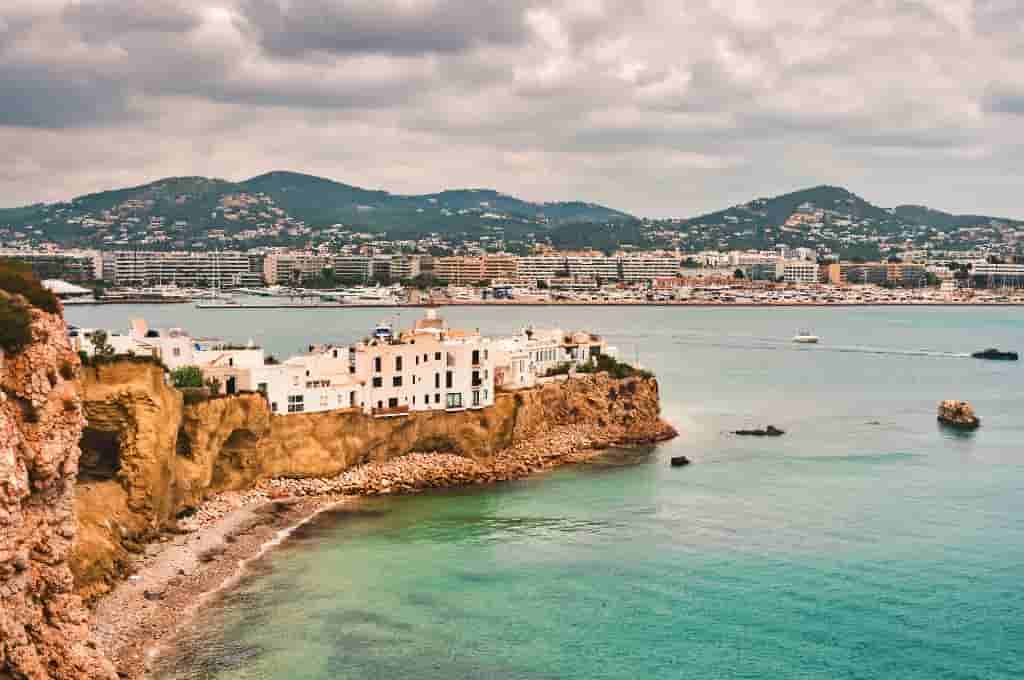
Ibiza, one of the Balearic Islands, has earned global fame for its nightlife, world-class clubs, and music culture. Iconic venues such as Pacha and Amnesia regularly host the world’s top DJs, making the island Spain’s premier party destination and a must-visit for music lovers. Yet Ibiza is much more than a nightlife hub. The island features nature reserves, secluded coves, yoga-focused wellness retreats, and centuries-old fortified towns, all contributing to its alternative, eco-conscious character. With 210 miles of protected coastline and beautiful beaches like Cala Comte and Cala Bassa, it offers plenty of opportunities to relax in nature.
One of Ibiza’s top attractions is Dalt Vila, the historic old town, where picturesque lanes wind between ancient walls, bastions, statues, and Renaissance-era buildings that have stood the test of time. Just 30 minutes away by boat, the island of Formentera is another worthwhile stop, known for its serene atmosphere and crystal-clear waters. Whether you’re drawn to wild nights or peaceful days by the sea, Ibiza delivers an unforgettable holiday that perfectly balances vibrant energy and natural beauty.
7. San Sebastián, Spain
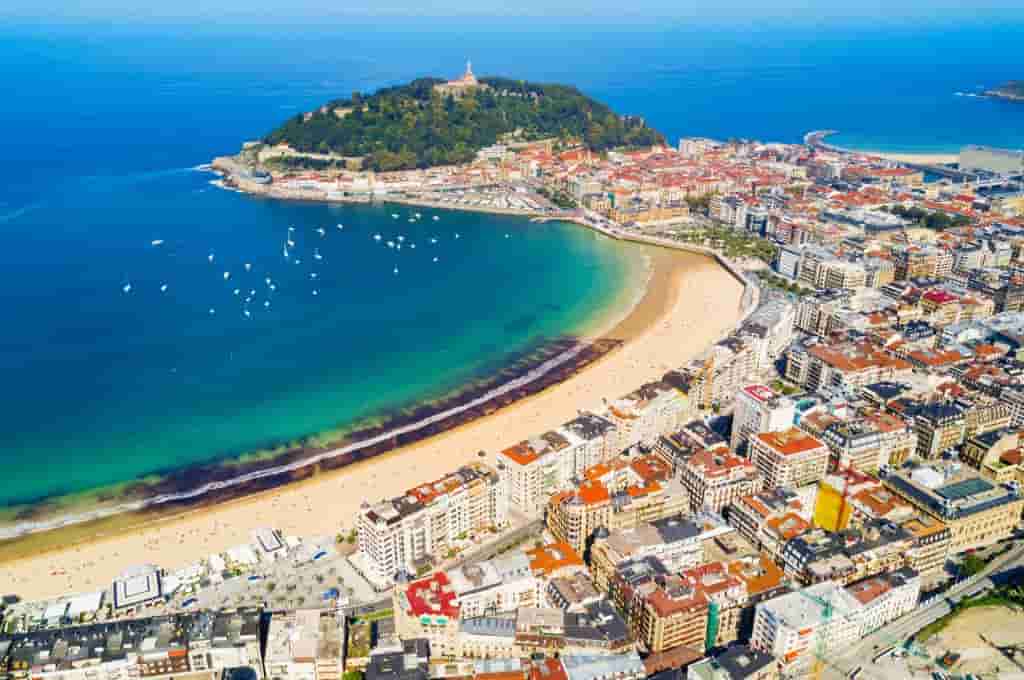
San Sebastián, located on the northern coast of the Basque Country, is one of Spain’s best-kept secrets. It is highly popular with local vacationers, who flock here every summer for its golden sand beaches, the turquoise waters of the Bay of Biscay, welcoming green hills, charming historic villages, striking architecture, and some of the best food in the country. Zurriola Beach draws surfers from all over the world, while Playa de la Concha is considered one of Europe’s finest urban beaches. Hike up Mount Urgull for panoramic views of the city and bay, and marvel at the white statue of Jesus (El Sagrado Corazón) at the summit. Or take a leisurely stroll along the La Concha promenade, soak up the lively seaside atmosphere.
San Sebastián is widely recognized as Spain’s culinary capital and boasts the highest density of Michelin-starred restaurants per square metre in Europe. But you don’t need to splurge to eat well here—gastronomic delights await around every corner. Parte Vieja, the old Quarter, is packed with bars and restaurants serving an astonishing variety of bite-sized specialties. Join a pintxos tour to sample the very best Basque-style tapas that put San Sebastián on the global gastronomic map. Pintxos are small portions of food typically served atop a slice of bread and held together with a toothpick.
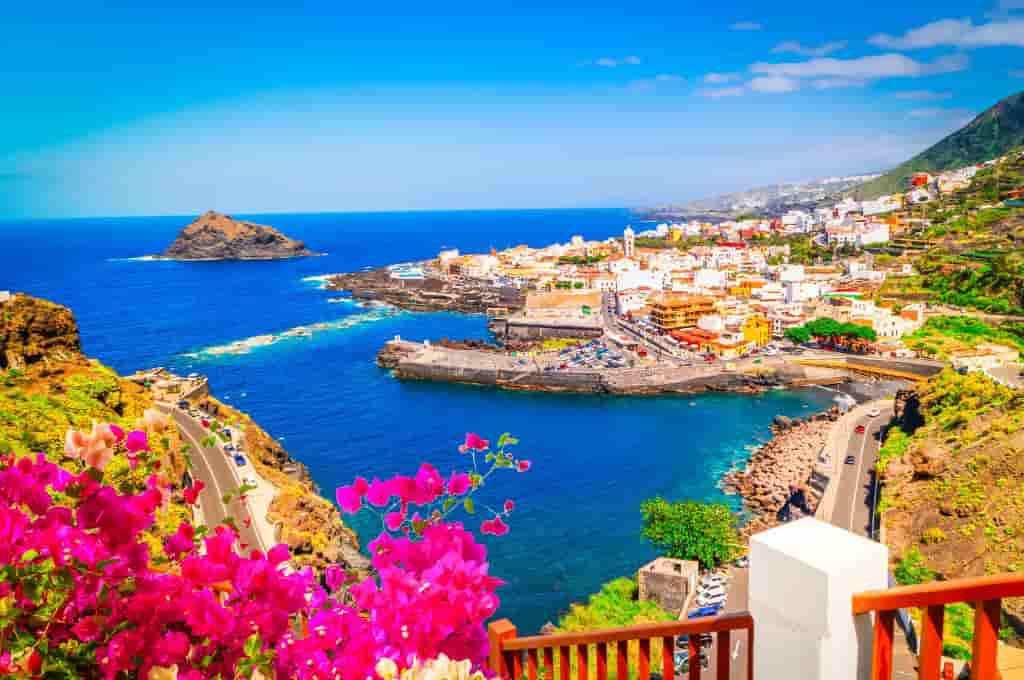
8. Canary Islands, Spain
Situated in the Atlantic Ocean off the northwest coast of Africa, the Canary Islands are one of Spain’s premier beach destinations. This Spanish archipelago is celebrated for its volcanic scenery, sparkling beaches, iconic landmarks, and remarkably diverse natural environments. Thanks to its mild climate throughout the year, it’s an especially attractive choice for a winter escape. The islands are more than just beautiful shorelines. With four national parks and numerous hiking routes, the Canary Islands are a haven for outdoor enthusiasts.
Tenerife, Gran Canaria, and Lanzarote combine beaches, protected natural areas, and striking geological formations. Wandering through the neighbourhoods of Santa Cruz de Tenerife and Las Palmas de Gran Canaria offers insight into everyday island life and local culture. Tenerife, the largest and most populous island, stands out for its contrasting black- and golden-sand beaches. It is also home to Mount Teide, Spain’s highest peak and the world’s third-largest volcano. The dramatic lava-sculpted coast and the cloud-kissed summit of Teide form a landscape that is both distinctive and unforgettable. Together, the islands’ unique location and varied terrain set them apart from mainland Spain while enhancing the country’s overall tourism appeal.
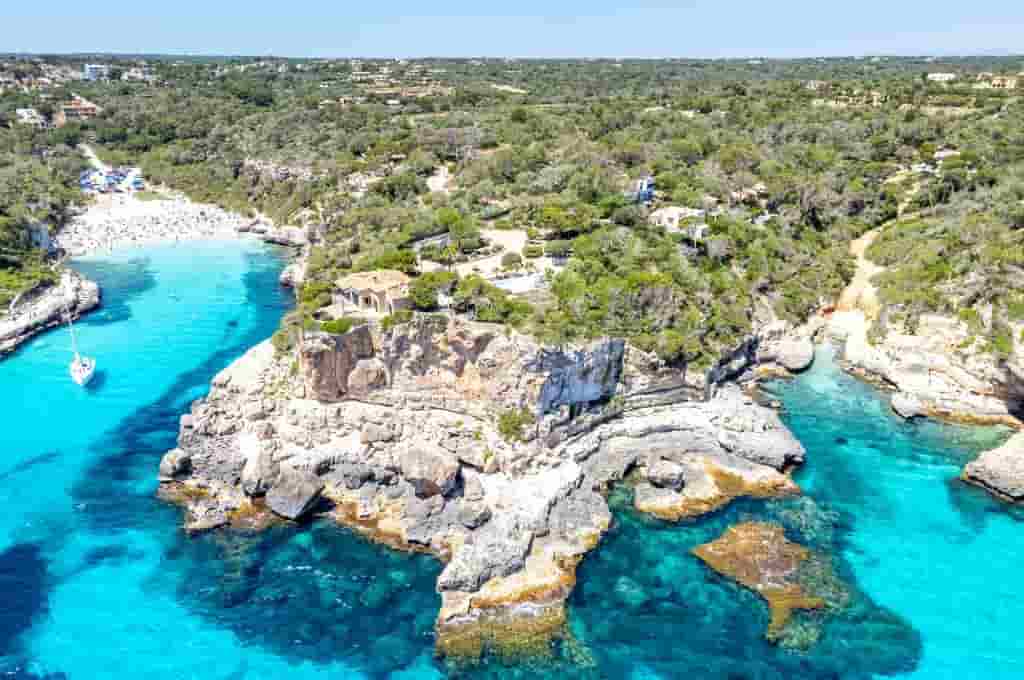
9. Mallorca
Located in the Mediterranean Sea and part of Spain’s Balearic Islands, Mallorca (also called Majorca) is one of the country’s most popular island escapes. Steeped in history, the island combines sun-kissed beaches and turquoise waters with rugged coastlines, picturesque villages, lush green landscapes, and striking architectural landmarks. A vibrant artisan and cultural scene, with events year-round, adds even more appeal. Among Mallorca’s standout attractions are the atmospheric alleys of Alcúdia’s old town, the spectacular Serra de Tramuntana mountain range, and the sandy beaches of Playa de Muro and Cala Llombards. The 14th-century Palma Cathedral, soaring above the city, is another must-see.
Palma, the island’s stylish and energetic capital, feels both intimate and cosmopolitan. At night, it rivals Ibiza for atmosphere: some districts attract partygoers, while others are lined with tapas bars and laid-back pubs. In the mountains, the upscale villages of Deià and Sóller are famed for their dramatic scenery, historic stone architecture, and strong artistic traditions. Together, Mallorca’s natural beauty and rich cultural heritage make it a remarkably versatile destination with something for every type of traveller.
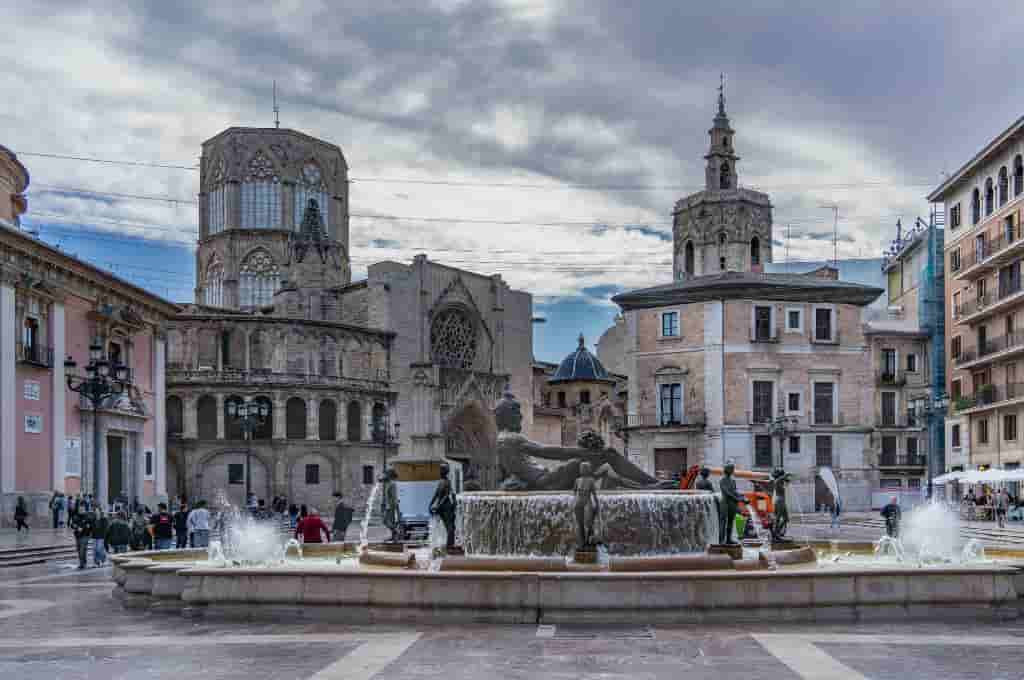
10. Valencia
Valencia, Spain’s third-largest city, is a captivating blend of old-world splendour, cutting-edge design, and Mediterranean charm. Set on Spain’s east coast, it’s ideal for slow, sustainable travel. Start with the city’s historic treasures: the Gothic-style Valencia Cathedral, the lively Plaza del Ayuntamiento, La Lonja de la Seda (the medieval silk market), the imposing Serranos Towers, and the Miguelete Bell Tower. Then discover Valencia’s contemporary side at the City of Arts and Sciences, a futuristic complex that unites an opera house, science museum, 3D cinema, and one of Spain’s finest aquariums.
Threading through the city is the Jardines del Turia, a nine-kilometre former riverbed transformed into a sweeping park that leads toward the sea. Nearby, you’ll find more highlights, including an unusual ceramics museum, the Plaza de Toros bullring, and Estación del Norte, a 1929 architectural gem often cited as one of Spain’s most beautiful train stations. In the quaint Old Town, you can savour succulent paella, Valencia’s signature dish, celebrated for its rich, layered flavours.
Another reason Valencia is frequently in the spotlight is the La Tomatina festival, which takes place every year on the last Wednesday of August in the charming village of Buñol, near Valencia. In this unusual extravaganza known as the ‘World’s Largest Food Fight,’ over 20,000 people toss 150 tons of overripe tomatoes at each other for fun. With its sun-drenched beaches, leafy parks, renowned cultural institutions, centuries-old monuments, and lively urban scene, Valencia is a standout destination for cultural and leisure tourism in Spain.
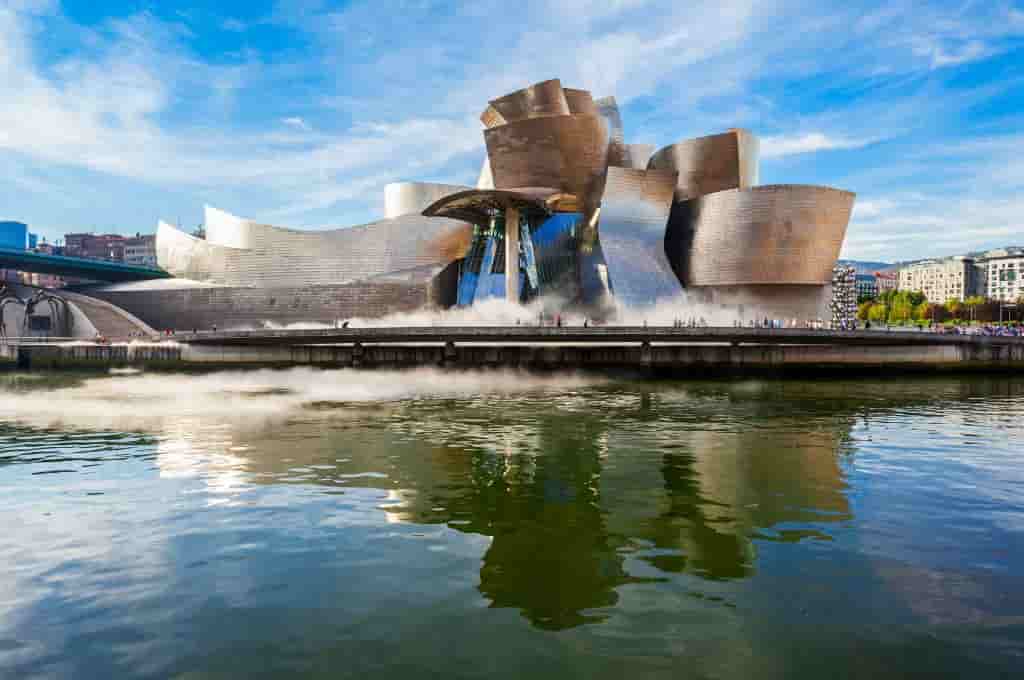
11. Bilbao
Bilbao is a major city in northern Spain and the largest in the Basque Country. It is located in the heart of a beautiful valley, offering panoramic views of the town and the surrounding verdant hills. If you travel to Bilbao, it would be a shame not to visit the iconic Guggenheim Museum. This contemporary art museum, which opened in 1997, is widely regarded as one of the most important architectural masterpieces of modern times. With its undulating titanium façade and wave-like form, the building is spectacular. Inside, it houses an impressive collection of paintings, sculptures, and contemporary art installations. The Guggenheim put this once-industrial city back on the map and played a key role in its cultural and economic transformation.
Stroll through the historic Casco Viejo, Bilbao’s atmospheric old town, where narrow streets are lined with architectural gems that showcase authentic Basque culture. You can also wander along the Nervión River, one of the city’s liveliest and most picturesque areas, dotted with both modern and historic landmarks. As the birthplace of pintxos, the Basque Country invites you to sample these small bites in countless bars and eateries throughout the city. Altogether, Bilbao seamlessly combines bold contemporary architecture with deep-rooted Basque traditions, offering visitors rich museums, characterful neighbourhoods, and a thriving culinary scene.
This isn’t an exhaustive list. There are many other fascinating sites worth visiting in Spain, including Málaga, Toledo, the Costa Brava, Segovia, León, Salamanca, Ronda, and Santiago de Compostela. Whether you’re looking for art, architecture, gastronomy, relaxation, or historical exploration, Spain will not disappoint. It is not surprising that Spain is one of the world’s most sought-after travel destinations.