
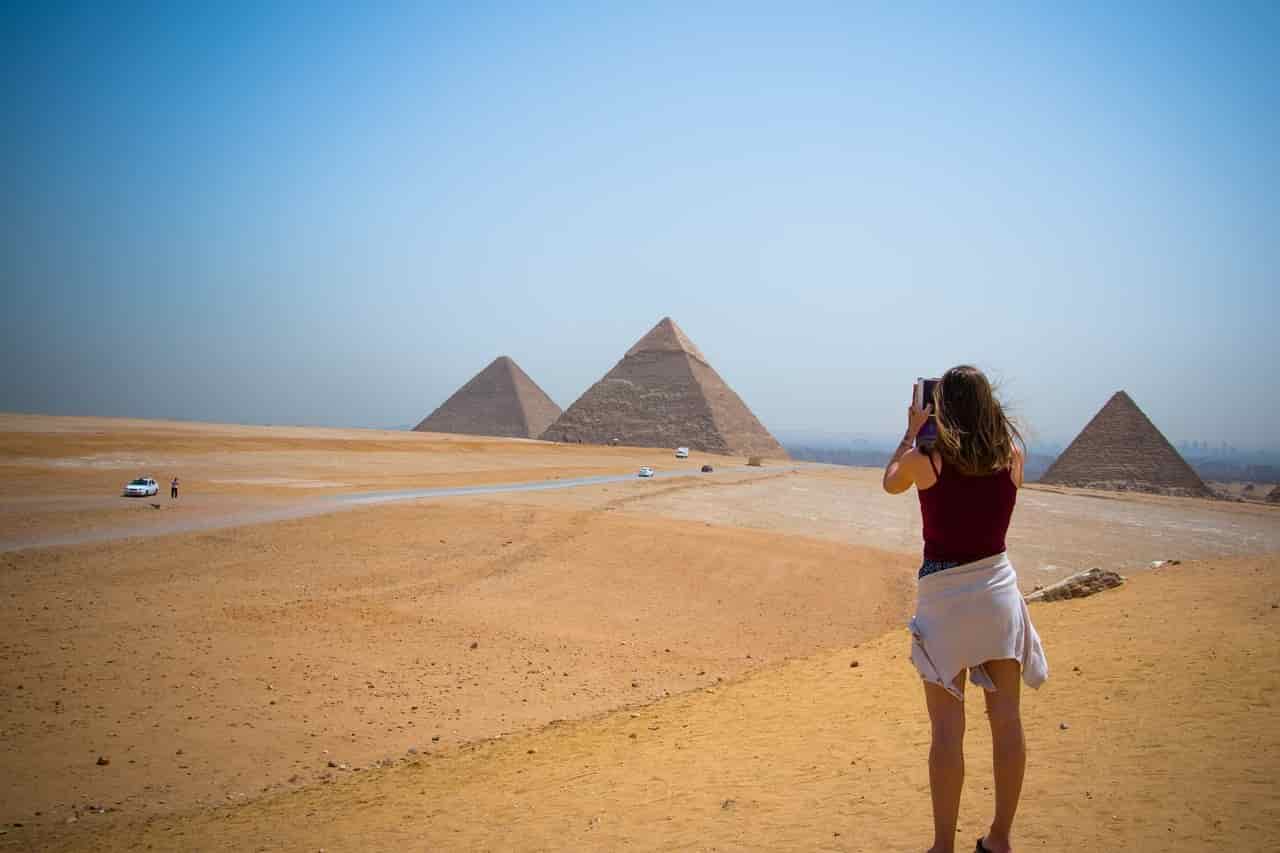
Egypt has attracted tourists forever. The country is steeped in history and mysteries. From the Pyramids & the Sphinx in Cairo to the ancient ruins of the Valley of the Kings & Abu Simbel, there are countless sights to see & experiences to have in Egypt. However, most people are concerned about their safety while visiting Egypt. The country experienced political instability in 2011 following the removal of President Mubarak. It led to a series of deadly terrorist attacks that tarnished the image of the whole country. For a few years, tourism was in a lull, and tourists thought it best to stay away from Egypt. However, things are stabilized now, and it is possible to make a safe trip to Egypt.
Once you get labeled as an unsafe destination, it’s not always easy to shake off that perception. Egypt is quite a safe destination, and you should not let the media coverage scare you. Never believe the news channels blindly, as they tend to exaggerate everything. The majority of protests and strikes take place in a very small region of Egypt that can easily be avoided during your Egyptian trip. Most popular tourist haunts are pretty safe and heavily guarded by security personnel. The presence of police all over Egypt should not scare you, as they are there for your own security and peace of mind.
Egypt relies heavily on tourism and therefore takes the safety of tourists very seriously. However, it cannot be denied that Egypt is not immune to terrorism, religious intolerance, protests, and unpredictability. You need to stay vigilant and take a few precautions to ensure a safe, trouble-free trip.

What Areas of Egypt are Dangerous?
The United States and the United Kingdom both warn travelers away from certain parts of Egypt. These are:
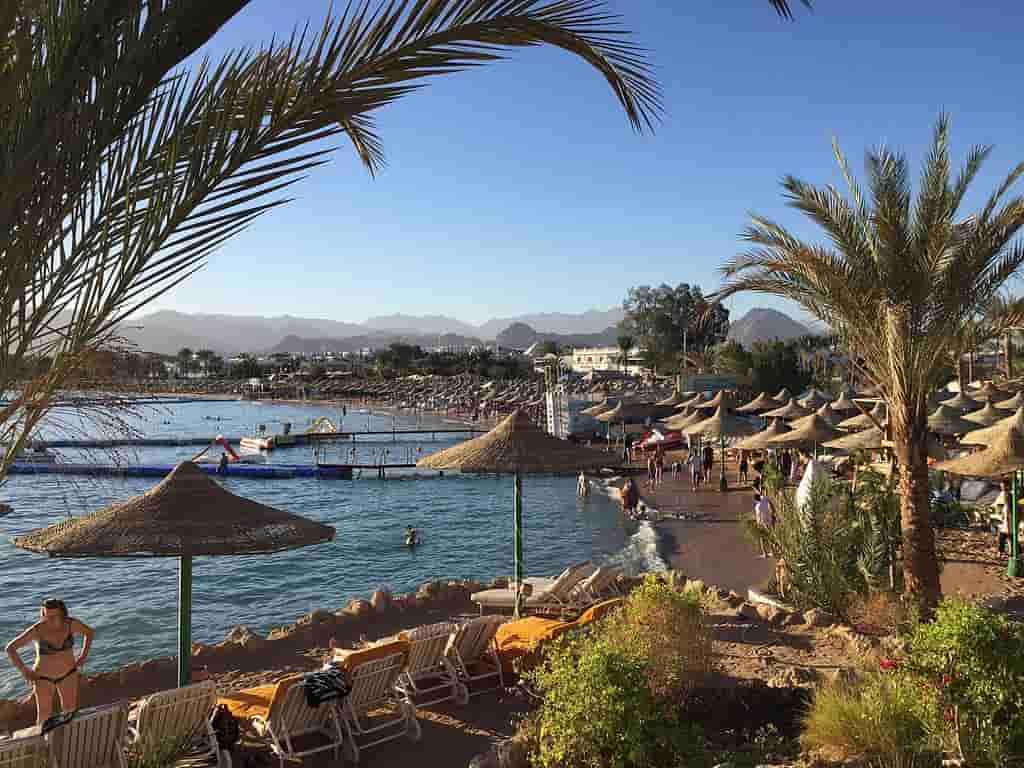
- The Sinai Peninsula. This area has had terrorist attacks in the past, and the Egyptian army has ongoing military operations in the area. However, the coastal region around Sharm el-Sheikh is relatively safe, provided you travel by air and avoid land routes.
- The Western Desert near the border with Libya. Travelers should stay at least 50 km away from the border with Libya. Tensions in the region are ongoing, and it is not uncommon to find smugglers, armed guerrilla groups, military operations, etc. in the area.
- All Egyptian border areas. The Egyptian military is most active in these locations, so there is always a slim chance of getting involved in their operations or conflicts.
Cairo, Aswan, Luxor, and Alexandria are pretty safe, as are beach resort towns like Dahab, El Gouna, and Hurghada. Travelers should keep themselves up-to-date regarding any new conflicts or terrorist attacks that take place so they can stay safe while in Egypt. Before leaving for Egypt, check for any recent news and travel advisories that may affect your travel plans.
Ways to Stay Safe in Egypt
While the best way to stay safe in Egypt is to avoid the zones outlined above, there are other steps visitors can take to protect themselves while in the country. These include:
- Avoid driving in Egypt as the traffic is chaotic and insane. In many areas, there are no crosswalks, traffic lights, or speed limits. Traffic rules are often ignored, and road fatalities are common. A one-hour drive can easily take three hours. Driving at night is even worse because people don’t use their headlights. Unless you have driven in Egypt before, it is best to use Uber or a tour bus. If using a cab, ensure that the meter is turned on before leaving. If the cab doesn’t have a meter, negotiate the price before you start your journey, or they will overcharge you ridiculously.
- Stay away from crowds, political demonstrations, and religious gatherings. These gatherings are prone to attacks and could be dangerous. If visitors find themselves in the middle of a chaotic crowd by accident, they should make every effort to leave quickly. If you are unable to do so, duck into a nearby shop & wait until the crowd passes.
- Watch out for unexploded landmines that exist from previous wars. Most of them are enclosed within barbed wire fences, making it clear that visitors are not welcome. So, keep a lookout and don’t take unnecessary risks.
- Avoid drugs and excessive alcohol consumption. Most drug use carries extreme penalties in Egypt, including the death penalty in certain situations. So, it is better to refrain from using it in any form. Similarly, drinking alcohol outside of a licensed restaurant, club, or bar can lead to heavy fines.
- Egypt is nearly ‘crime-free’, and the most common crime is petty theft. Bag snatching does occur in Egypt, especially in tourist hotspots. Similarly, some pickpockets are skilled at removing money and credit cards from one’s pockets. Visitors should wear a money belt or use an equivalent method to keep their valuables out of sight and out of reach. Be extra alert when walking in densely populated areas or crowded tourist spots.
- Scams are quite common, and you should be vigilant and aware of how things work in Egypt. Fake goods, inflated prices, misleading information, etc are a few of the ways visitors are cheated in Egypt. Stick to official channels, familiar hotels, and reputed travel agencies, and you should not face any problems.
- Leave your valuables and extra cash in the hotel room’s safe, and carry only what you need. It’s a common practice to tip tour guides, drivers, waiters, washroom cleaners, etc. However, most tourist destinations and restaurants accept credit cards, so there’s no need to carry a lot of cash.

- Be careful while taking photographs. Images of military actions and installations are highly discouraged, and even pictures of public buildings can cause problems. When in doubt, travelers should ask someone before they take a photograph and never, ever use a drone to get their shots. In most of the museums and monuments, you have to pay a fee if you want to use a camera to take pictures. However, you can take photos using your mobile.
- Don’t hand over your camera or phone to any local to take pictures. They may run off with it, or may not give you back unless you tip them generously for the favor.
- Co-operate with security checks at entry points and checkpoints. All tourist sites are heavily guarded, and you can find guards patrolling the streets in cities like Cairo and Luxor. It can be annoying to go through security checks every time, but they are for your safety.
- Visitors should also avoid being the last person left on buses and coaches. This is a recipe for disaster as you are leaving yourself open to assaults and robberies.
- Dress conservatively in Egypt. This applies to both men and women and is especially true when visiting anything that could be construed as a religious site. Be extra careful while visiting mosques, souqs, and rural areas. Keep your shoulders, chest, and even legs covered at all times. Women may want to bring a few conservative dresses for visiting religious places. A stole, shawl, or scarf always comes in handy. Refrain from showing any public displays of affection and respect the local culture.
- Egypt is not very LGBTQ-friendly, and you need to keep a low profile in public. Same-sex relationships and marriage are frowned upon, as Egypt has a very conservative and religious culture. Any display of affection by same-sex couples will draw unwanted attention, harassment, and sometimes even run-ins with the law for indecent behavior.
- It is always better to avoid solo travel in Egypt and travel in a group of three or more. Sexual assault and crimes are pretty rare in Egypt, but solo female travelers may face verbal harassment, unwanted attention, occasional touching, and catcalling. Female travelers should not venture out after dark, avoid secluded and seedy spots, and keep away from strangers. The best way to deal with pestering men is to ignore them.
- Travelers should not drink tap water in Egypt. Buying bottled water or bringing a water bottle to fill with filtered water (available at most hotels catering to Westerners) is the best bet. Unless you are sitting in a fancy restaurant, avoid ice in your drinks.
- Be careful about what you eat and where you eat it. Most of the food served to travelers in Egypt is entirely safe. However, stick to fully cooked foods and peeled fruits. Avoid fresh juices, street food, salads, and similar items. The best way to find good food in Egypt is to watch where the locals go. They won’t go places that make them sick, so following them is usually a safe bet.
- In Egypt, it is always better to tag along with a reputable tour company or at least book day tours. The tour buses are accompanied by an armed guard, especially when visiting areas near the troubled Sudan border. Then there is always safety in numbers. And an Egyptian tour guide is the best way to avoid unsolicited attention.

Plan a Trip to Egypt Today
If you have always dreamed of visiting Egypt, you can start planning your trip now. As long as you travel smart and make sure they are heading to safe regions, you should be able to explore this fascinating ancient country without any hiccups. The chances of a terrorist attack are improbable, so don’t worry about it unnecessarily. Start planning now, so that you can take your long-awaited vacation very soon!
This Post Has One Comment
I visited Egypt many years ago but it’s still fresh in my mind as one of the best experiences of my life. I went with two friends and we kind of had an unexpected adventure (long story that involves my lost baggage and a sort of dodgy deal to get it back, haha). The sites we went to were incredible and it was quite the experience. The advice, tips and info you’ve included here is really useful and will certainly help people make the most of their visit. Thanks so much for sharing!