
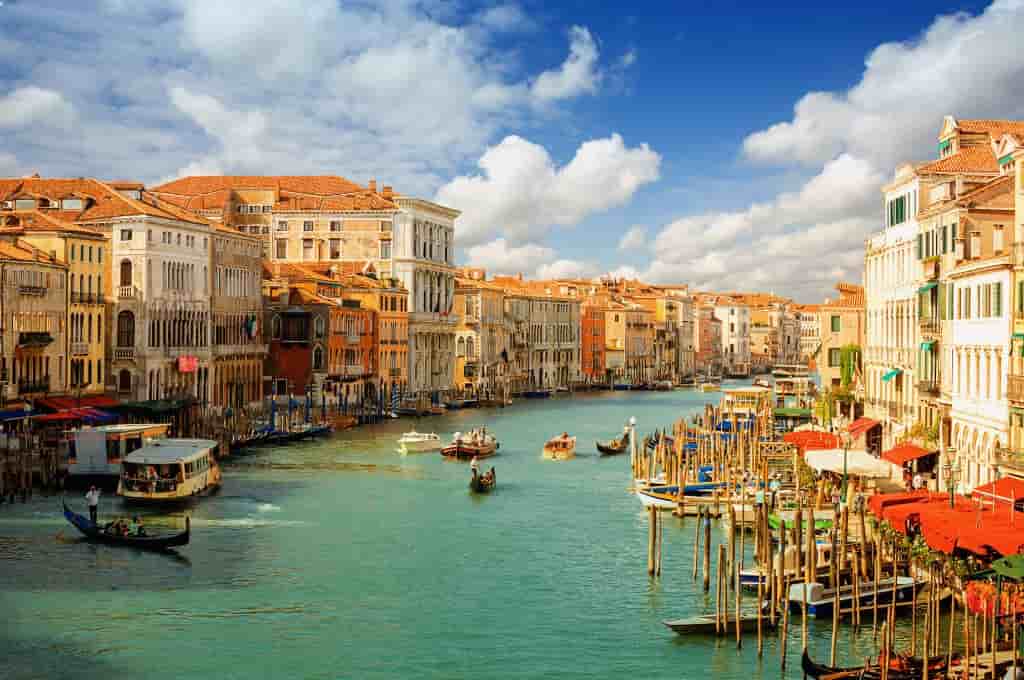
Nestled in the beautiful Venetian Lagoon in northeastern Italy, Venice stands proudly as the capital of the Veneto region. Often called the ‘City of Canals,’ it captivates travelers from around the world with its unique charm and timeless allure. Floating serenely on a lagoon and immersed in centuries of history and art, Venice offers a place unlike any other.
With its timeless beauty, romantic vibes, ancient waterways, rich cultural traditions, and a bounty of breathtaking panoramas, Venice exudes a mystique that is hard to find elsewhere. There’s nothing quite like getting lost in narrow cobblestone alleyways, taking gondola rides beneath picturesque bridges, celebrating old traditions, marveling at exquisite art, and watching unforgettable sunsets over the Grand Canal. It’s a city that slows you down, encourages you to look around, and rediscover the joy of travel.
People often say that Venice is overhyped, overcrowded, pricey, and is slowly sinking. I disagree. While Venice might not be perfect, it’s truly something special. It offers a once-in-a-lifetime experience that should be on everyone’s bucket list. If you’re still not convinced, let me share some very good reasons to visit Venice.
A City Unlike Any Other
The first thing that makes Venice special is its uniqueness. Most cities are built around roads, but Venice is built on water. Known as the ‘Floating City’, Venice is an archipelago of 118 islands connected by numerous canals and bridges. From the moment you arrive, you realize that Venice not only looks different but also runs differently. Ferries and boats are the primary modes of transportation in the city. There are no cars, motorcycles, honking horns, or traffic jams. Instead, water substitutes for roads; boats navigate shimmering canals; the vaporetto (water bus) serves as a taxi; and walkways are designated solely for pedestrians. Even a simple boat ride across the Grand Canal feels romantic. It’s a place where every turn feels like walking into a painting, where everything looks magical, and you can truly get a sense of the old world.
Living History
Venice transports you back in time. Established by refugees from the crumbling Roman Empire in the fifth century CE, Venice once ranked among the most formidable maritime republics globally. Its historical legacy is tangible in the cityscape: grand palaces lining the canals, churches housing centuries-old artworks, and narrow alleyways imbued with history passed down through generations. You don’t need to go to a museum to relive the past; simply being there is enough.
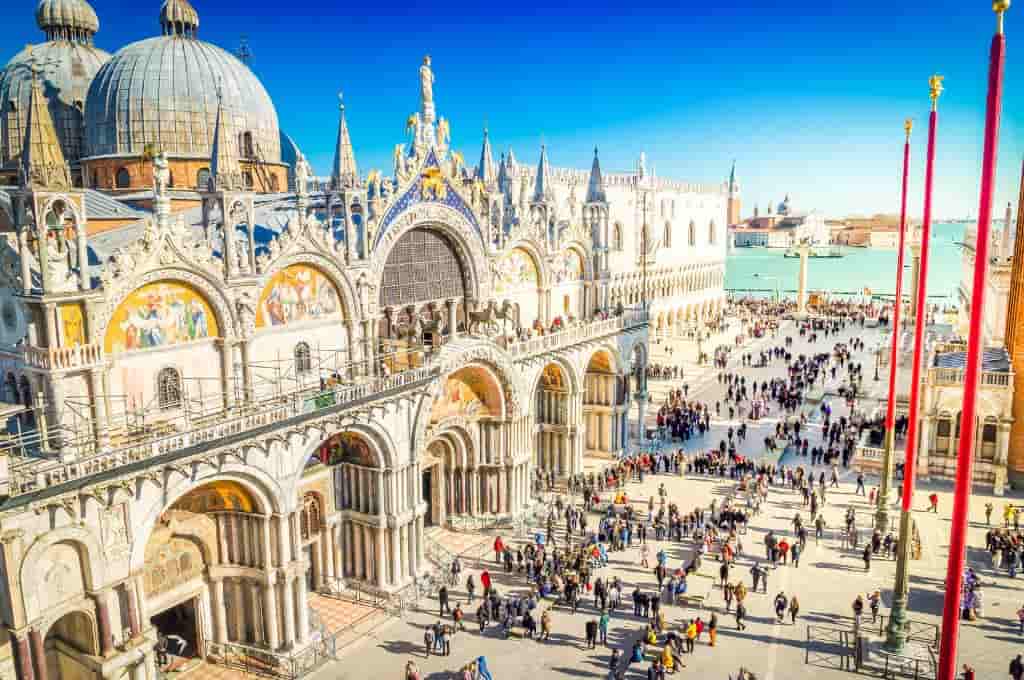
Explore Doge’s Palace (Duke’s Palace), snap pictures of the Bridge of Sighs, admire the illuminated mosaics of St. Mark’s Basilica, take a gondola ride down the 3.8-kilometer-long Grand Canal, stroll around Piazza San Marco, admire the Venetian Gothic and Renaissance facades, and shop along the Rialto Bridge. Apart from a few modernized shopping streets, the city appears to have remained suspended in the era of the Serenissima Republic. Venice thus remains a paradise for history enthusiasts.
Culture and Art
Art is everywhere, not just in Venice’s galleries. From painted ceilings in churches and artwork hidden in grand palaces to street performers in tranquil squares and handcrafted masks in small shops, Venice is swamped with art treasures. The Gallerie dell ‘Accademia boasts the world’s finest collection of Renaissance Venetian paintings, dating back to the 14th century. Here, you can see Renaissance masters like Bellini and Veronese in a historic building that also displays masterpieces such as Giorgione’s Tempest and Titian’s Pietà. Doge’s Palace is also worth exploring for its medieval ballrooms, courtyard, and prisons.
The Peggy Guggenheim Collection is kept in an 18th-century palace on the Grand Canal and exhibits a remarkable collection of European and American art from the first half of the twentieth century. If contemporary art is your thing, visit the Pinault Collection House. Festivals, exhibitions, and cultural events happen throughout the year, adding to the charm and making each visit unique. Notably, the Venice Biennale, one of the world’s largest contemporary art festivals, is held here. This prominent international exhibition takes place biennially and features works by Italian and international artists across disciplines such as art, dance, theatre, music, film, and architecture.
Unique Architecture
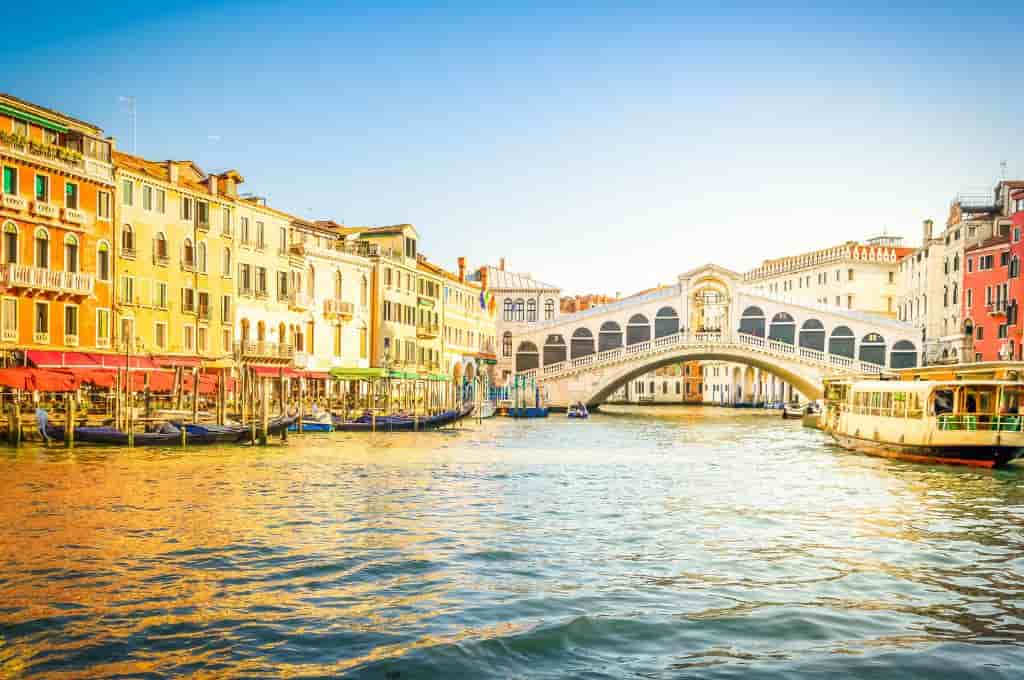
Built on 126 small islands, Venice is a floating city connected by over 400 bridges and an extensive canal network. This unique architecture makes it both iconic and an engineering marvel. Venice’s style blends Gothic, Byzantine, and Renaissance influences, shaped by its distinct history. But the city’s charm extends far beyond its famous landmarks. It’s reflected everywhere—in the crumbling facades, arched bridges, narrow canals, golden mosaics, grand palaces, peaceful courtyards, charming alleyways, and flower-filled balconies.
Venice is like a massive open-air museum, giving the impression of strolling through an art gallery even without entering any exhibit buildings. The entire city seems to be a floating labyrinth of opulent palaces and quaint alleyways. Landmarks like Saint Mark’s Basilica, the Venetian Gothic of the Doge’s Palace, the Palladian church of San Giorgio Maggiore, Palazzo Cavalli-Franchetti, St. Mark’s Campanile, Santa Maria della Salute, Ca’ da Mosto, and the Rialto Bridge showcase centuries of craftsmanship and architectural excellence. Venice is both stunningly grand and wonderfully fragile—an unforgettable place whose beauty is instantly recognizable.
Grand Canal
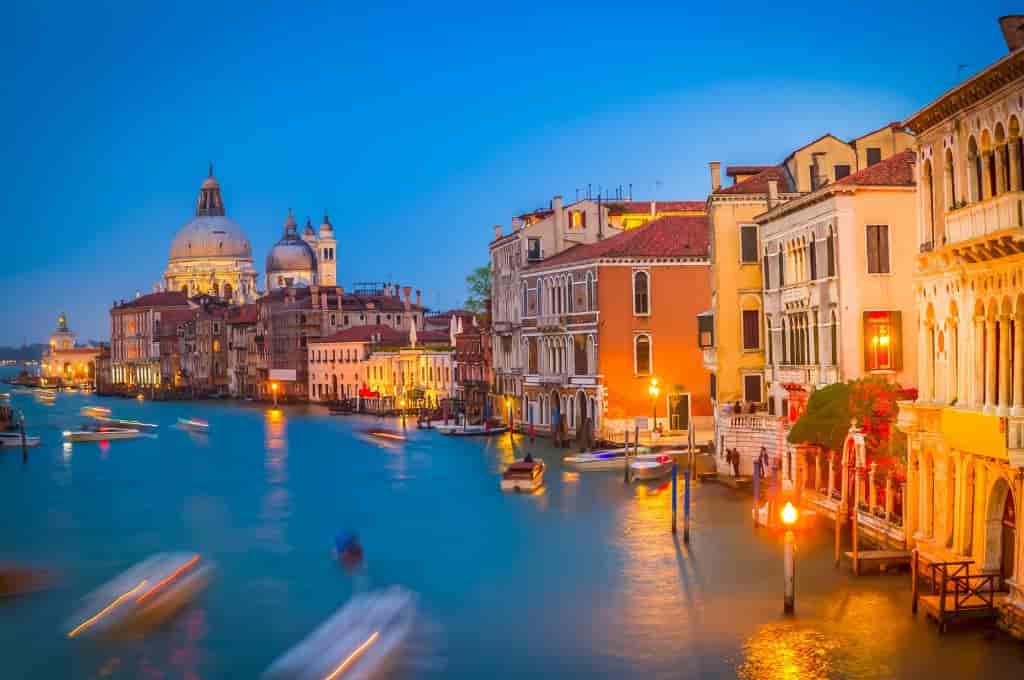
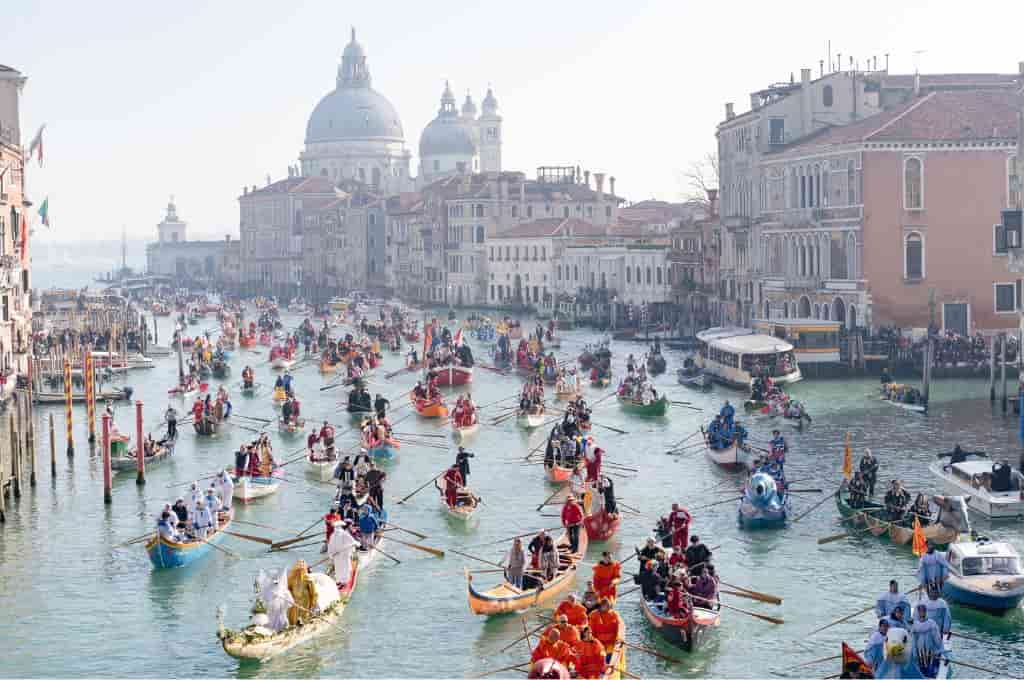
The Grand Canal is arguably the most stunning street in the world. It has served as Venice’s primary thoroughfare for centuries and was a hub for maritime trade during the medieval and Renaissance eras. This S-shaped waterway, extending over 3.8 km, winds through the city, flanked by magnificent Gothic palaces, historic residences, and some of Venice’s most beautiful churches, which appear to emerge directly from the water. Whether you opt for a gondola or a leisurely vaporetto, you will enjoy excellent views of Venice’s water-facing facades.
You’ll also come across many bridges spanning the Grand Canal, with the iconic Rialto Bridge being the oldest. Over 170 palaces, mostly built between the 13th and 18th centuries, line its banks. Be sure to notice landmarks such as Palazzo Corner della Ca’ Grande, the 15th-century Ca’ Foscari, Ca’ Pesaro, the Santa Maria della Salute Church, and the Santa Lucia train station. When night falls, and the palaces are illuminated, the Grand Canal presents an even more breathtaking sight.
Gondola Rides
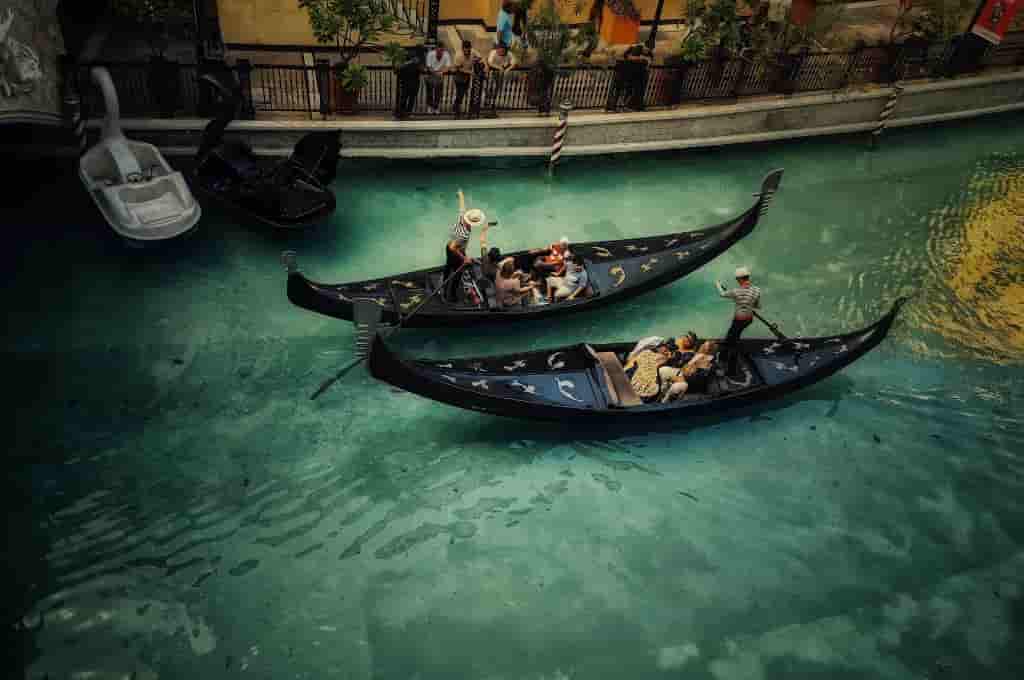
A gondola ride through the beautiful canals may seem touristy, but it’s widely seen as a classic Venetian experience, offering a unique view of the city’s architecture and history. Gondolas, which have been around since the 11th century, were once the main mode of transportation. Today, it’s not just about getting from place to place; it’s about seeing Venice from the perspective it was meant to be seen: from the water. Nothing compares to the timeless charm of gliding along narrow canals, under small stone bridges, and past centuries-old buildings.
Skip the Grand Canal and check out the hidden back canals, where the water is calm, the vibe is intimate, and every turn reveals architectural masterpieces. Gondola rides are not just for couples. It is equally magical for solo travelers, friends, and families. Even a short ride can become a highlight of your entire vacation.
Venetian Lagoon Islands
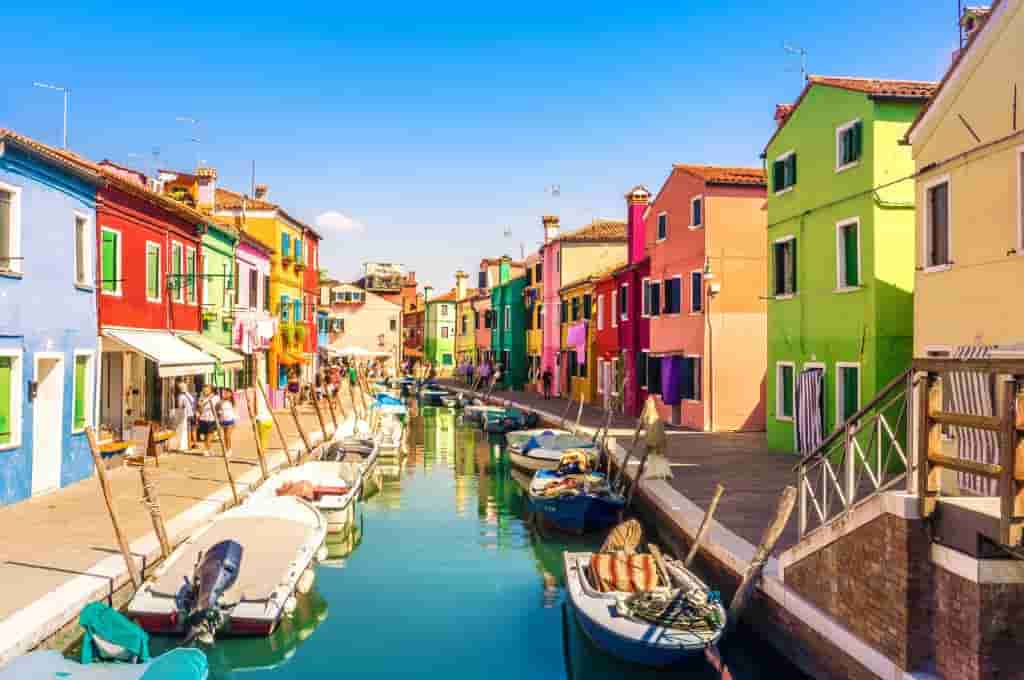
Beyond Venice, the Venetian Lagoon is dotted with beautiful islands worth exploring. The islands of Murano and Burano are easily reachable from Venice and make great day trips. You can visit both islands in a single day. Murano is world-famous for its centuries-old glassmaking tradition. It has been the heart of Venice’s glass-blowing industry since 1291. The craftsmanship of the artisans ranges from delicate jewelry to glass vases and ornate chandeliers.
The Glass Museum is a must-see for those interested in the island’s rich history and traditional glass artifacts. Several stores offer delicate souvenirs to take home as a piece of Venice. Burano is known for its ancient lace-making tradition and colorful canal-side houses. The brightly painted fishermen’s houses provide a perfect backdrop for eye-catching Instagram photos. The island of Torcello is less famous but offers a glimpse into Venice’s past. The peaceful, historic island houses the 7th-century Cathedral of Santa Maria Assunta.

Iconic Festivals
Venice hosts some of the world’s most renowned events, drawing large crowds of both local and international visitors. The Venice Carnival, celebrated annually over two weeks in February, has been a tradition since the thirteenth century. During this period, the city is transformed into an open-air spectacle with elaborate masks, period costumes, and masquerade balls. The city comes alive with street performers, canal parades, grand masquerade balls, and performances, centered around St. Mark’s Square.
The Venice Film Festival, held from late August to early September, is the oldest film festival and one of the world’s “Big Five” film festivals. It attracts international celebrities and showcases cinematic masterpieces to promote awareness of global cinema in all its forms. Additional notable festivals include the Venice Biennale Art Show (every two years), the Regata Storica Boat Race (early September), and the Veneto Jazz Festival (twice annually). Every festival, held against the magical backdrop of Venice, guarantees an unforgettable experience and offers a new perspective on the city.
Venetian Cuisine
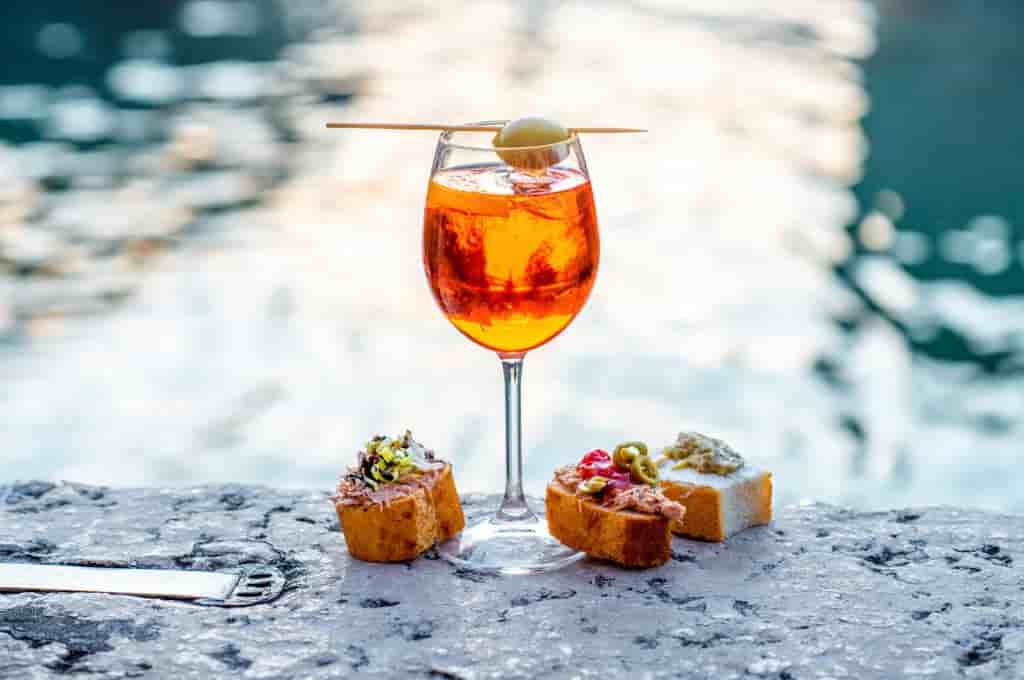
Venetian cuisine is delicious without being overly elaborate, relying on simple yet flavorful ingredients. Venice offers many unique recipes that highlight the city’s culinary excellence. Given that the city is situated on the Adriatic Sea’s lagoon, it should come as no surprise that seafood is the main draw there. To experience authentic local flavors, visit a traditional bar and enjoy Cicchetti—small tapas-style appetizers. Pair these with a local Prosecco or an Aperol Spritz.
Risotto holds a special place in Venetian cuisine and is slow-cooked with a variety of ingredients. Risotto al nero di seppia (squid ink risotto) is the local speciality. Other popular dishes include Risi e bisi (rice and peas), Bigoli in salsa (whole-wheat pasta with onions, sardines, or anchovies), and Fegato alla Veneziana (caramelized onions and polenta). For those with a sweet tooth, indulge in pastries like Frittelle, Baicoli, Moro, and Golosesso. Don’t miss trying their artisanal ice creams when visiting Venice.
From its stunning architecture to romantic gondola rides, Venice has something for everyone. Come see for yourself!