
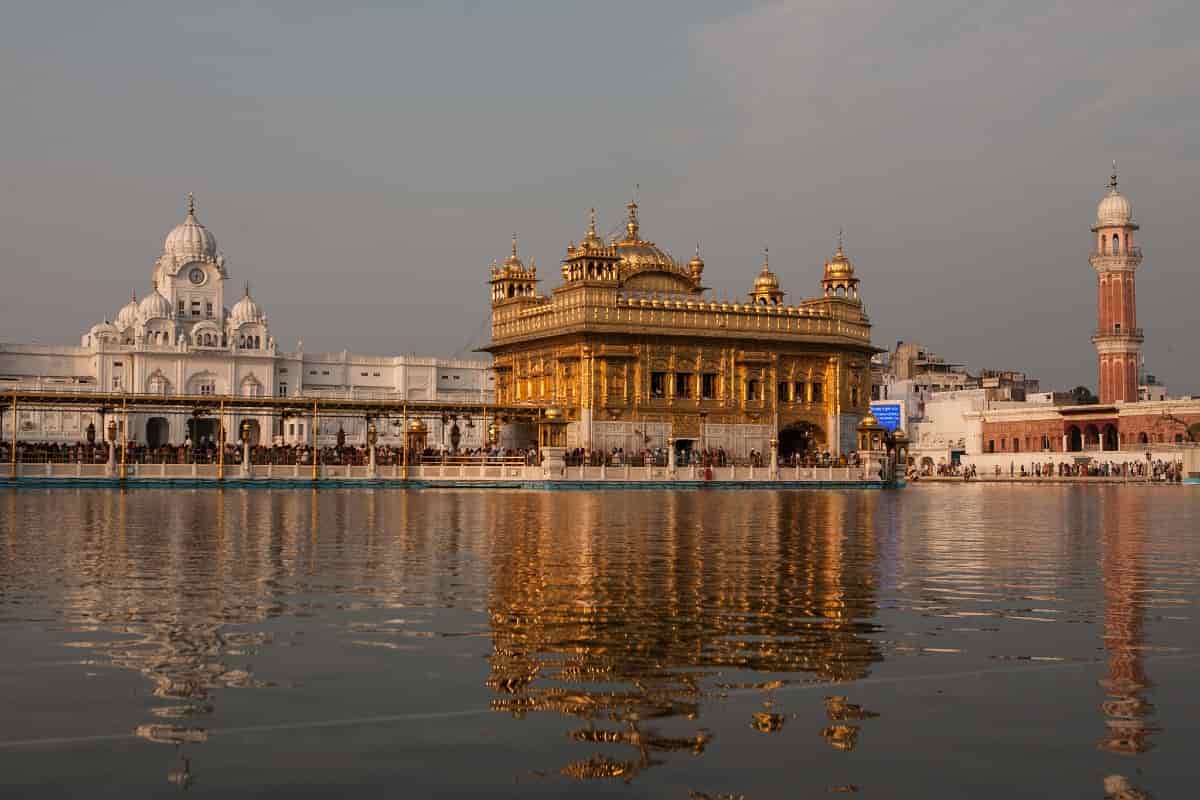
Everyone dreams of visiting India, but traveling within India can be challenging and overwhelming for first-time visitors. The country boasts a diverse array of religions, languages, traditions, festivals, and cuisines. As you travel to different parts of India, the changing etiquette and customs can confuse even the local travelers. For Westerners, the cultural norms and conservative beliefs differ from those they are accustomed to back home. These cultural differences are fascinating but can be daunting and shocking for most travelers.
While visiting a foreign land, one should always be mindful of local customs and heritage to avoid offending local sensibilities or making a major social faux pas. Indians are very hospitable and friendly people and take minor aberrations by foreign visitors in their stride. However, it is always advisable to understand how things work in the country and to follow basic norms, as this shows your respect for locals and their traditions.
If you’re uncertain about what to expect in India, check out these travel tips. I’d like you to take note of the basic things considered taboo in India, so you’re better prepared for your trip. Here are a few things you should NOT do in India if you want a safe and enjoyable Indian vacation.

Do NOT wear shoes while entering a temple:-
Temples are highly sacred to Indians, and it is customary to remove your shoes before entering. There are facilities outside most temples to store footwear, where you can leave your shoes. If you’re worried about getting your feet dirty, consider carrying a pair of socks. Many Indian households and shops expect you to remove your footwear before entering. If you see a pile of shoes at the doorstep, you should remove your shoes as well. Indians often keep separate footwear for indoor and outdoor use, as outdoor shoes are considered dirty and impure.
Do NOT wear tight and revealing clothes:-
Indians are still very conservative and do not appreciate women wearing tight and revealing clothes. You are expected to be fully covered, even if it’s scorching hot. People judge you by your clothing and appearance, so it is safer to follow the protocol. In larger cities, we can see changes creeping in, and young women are often seen wearing trendy, skimpy clothing. But in small towns and rural areas, revealing too much skin is not only inappropriate but also very unsafe.
Wear modest clothing and keep your legs, cleavage, and shoulders covered to protect yourself from unwanted attention. Always carry shawls or stoles to defend yourself from prying eyes. Even in temples, you may be required to cover your shoulders, legs, and head. Wearing Indian clothing is an excellent option because it is modest, comfortable, and weather-appropriate, helping you blend in with local women.

Do NOT display affection in public:-
The old-fashioned Indians do not appreciate any public display of affection. Kissing and intimate hugging are frowned upon and considered obscene. It’s better to keep your affectionate gestures behind closed doors to avoid moral policing and uneasy stares. It may sound unbelievable, but PDA can land you in jail, as there is a law against obscenity in public areas. However, it is common to see members of the same sex hugging and holding hands. Most of the time, this is just a sign of their close friendship/brotherhood and not of their sexual orientation.
Do NOT call elders by their names:-
In India, elders are highly respected, and it is considered disrespectful to address them by their given names. Even if you don’t know a person, you can call them ‘Uncle/Aunty’; ‘Dadaji/Dadiji’, ‘Tau/Tai’, ‘Bhaisaab/Behenji’, ‘Bhaiya’/’ Didi’, etc. – the titles usually reserved for family members. If you meet someone who is older than you or holds a position of authority, you should add a ‘Ji’ to their name while addressing them. The safest option is to call everyone ‘Sir’ or ‘Madam’.
Do NOT plan a tight schedule:-
India is massive and well-spread out, making it impossible to see even the major attractions in one visit. It’s better to keep your schedule flexible and avoid overbooking your itinerary. Hopping from one city to another can be time-consuming, tiring, and strenuous, as India is not known for its punctuality. Trains and buses are often late, so it’s best to leave some buffer time for cancellations and rescheduling.
People in India are pretty flexible with their timing and will inevitably turn up 15-60 minutes late. So, the IST is not the ‘Indian Standard Time’ but the ‘Indian Stretchable Time’. The entire country operates under the assumption that nothing will run on time – from social gatherings and business meetings to political events, public transportation, and everything else. If you arrive on time for a wedding event, you are most likely to see the preparations still in full swing with no sign of the hosts. This is just the way things work in India, so no point in getting worked up about it.

Do NOT drink tap water:-
Tap water is undrinkable all over India and should be avoided at all costs. An upset stomach is not only embarrassing but also likely to disrupt your holiday plans. It is best always to carry bottled water. Use only reputable brands such as Aquafina, Oxyrich, Kinley, Himalayan, and Bisleri, and ensure they are correctly sealed. Check the brand names carefully, as fake copies of popular brands are widely sold, especially by hawkers and small roadside stalls. In restaurants, it is better to order mineral water. Always ask before ordering drinks like lassi and milkshakes, as they may be made with unfiltered water or ice cubes.
Do NOT use your left hand for eating food:-
In India, the left hand is used for cleaning purposes after using the toilet and is therefore considered unclean. Consequently, it is preferred that you use your right hand for refined tasks, such as eating food, offering/accepting prasad (a devotional offering) in temples, touching the Divine, shaking hands, and receiving money, among others. If you need to use both hands, it is perfectly fine to do so.

Do NOT order beef:-
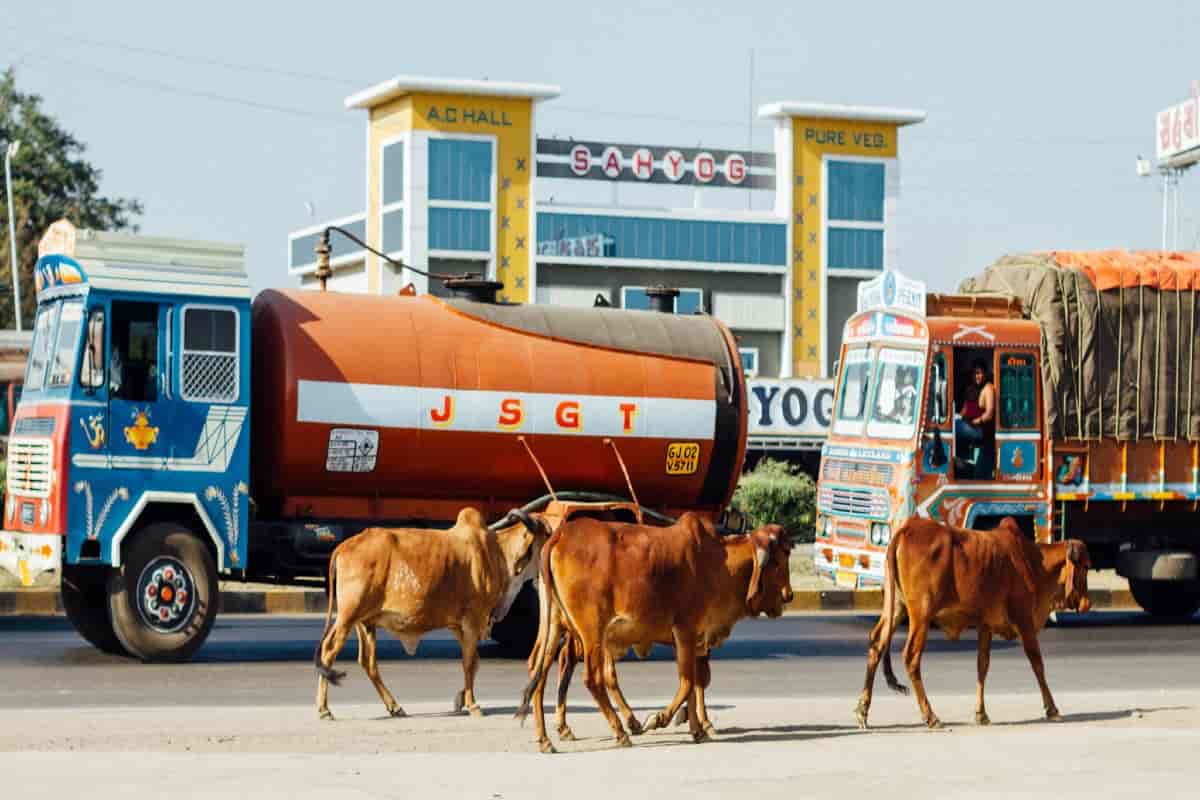
Cows are considered sacred in India and are even worshipped. You can find them wandering everywhere, even blocking traffic. The slaughter of cows is illegal in many parts of the country. Even if it is legal, ordering beef in a restaurant would certainly ruffle a few feathers. Keep your beef love in check and order chicken, fish, or pork instead. Better still, opt for vegetarian food. A large section of the Indian population is vegetarian, and the vegetarian delicacies you can eat here are mind-boggling.
Do NOT give money to beggars:-
Never give money to beggars or small children. The poverty and helplessness of the street urchins and homeless older men may melt your heart, but do not encourage them. They will instantly appear from all directions, and an insistent crowd will swarm you. Beggars can be persistent and will keep following you everywhere. They may also snatch your purse or phone, so keep your distance at all times.
Do NOT talk to strangers:-
Indians believe that Western travelers are gullible and often try to take advantage of their ignorance. They might attempt to extort money from you and sell their products at inflated prices. Please do not trust any stranger who may approach you with exciting offers, and never go anywhere with them unless you know them very well. Female travelers should avoid being overly friendly with local men, as it may be misinterpreted and send the wrong signals. Indian women always keep a safe distance from strangers, and Indian men are used to that behavior.
Do NOT carry flashy things or excess cash in India:-
When traveling in India, it is advisable not to carry jewelry, cameras, cash, or other valuable items. The country is impoverished, and petty theft and pickpocketing are pretty common in crowded areas and on public transportation. If you are carrying valuables or important documents, leave them in your room’s locker rather than carrying them around. While traveling by train, use chain locks and stay vigilant at night, as your bag may go missing while you sleep. You will attract lots of scammers and thieves if you flaunt your valuables. Everywhere you go, guides, vendors, cab drivers, and others will try to take advantage of you. If you keep a low profile, you might be left alone.
Do NOT leave your hotel without cash:-
India remains a predominantly cash-based economy. Large shops, shopping malls, restaurants, and hotels may offer credit card facilities, but many establishments still only accept cash. If you are traveling to small cities or rural areas, you will likely encounter many places where credit or debit cards are not accepted. ATMs are not always accessible or working in villages. Please ensure you always carry sufficient cash. Don’t go overboard and stuff yourselves with money, as thieves might target you. Another option is to download the PAYTM app in India. Following demonetization, it has gained significant popularity in India and is now widely accepted, even in rural villages.

Some Extra Tips:-
Looking for more cultural cues and quirks? Some extra pointers to get you better prepared for visiting India:
- Do NOT attempt to shake hands with Indian women, especially if you are male. Go with ‘Namaste’ or ‘Hello’.
- Do NOT point the bottom of your feet toward food, people, or holy places.
- Do NOT flirt with local girls. You are in big trouble.
- Do NOT get offended if you are asked intrusive questions. Most of the time, it is harmless and an ‘ice-breaker’.
- Do NOT buy anything without haggling hard while shopping at flea markets and local shops.
- Do NOT discuss politics and religion with Indians. They are very sensitive and volatile about their beliefs, and they are likely to get upset very quickly.
- Do NOT insult the game of Cricket. Cricket is God in India and immensely popular.
- Do NOT eat street food unless you are sure that it is fresh, hot, and hygienic.
- Do NOT expect everyone to know English. Even in big cities, you will frequently come across people who can’t talk or understand English.
- Do NOT smoke in public places. It is not allowed.
- Do NOT expect people to stand in a queue. They will constantly look for ways to bypass the line and proceed ahead.
Don’t let these tips scare you. If you use your common sense, keep your eyes open, and follow the locals, you will have a memorable Indian vacation.
This Post Has 2 Comments
Good to know!
Thank you very much for sharing the article with us. I found it to be extremely helpful.