

Peru is acclaimed as one of South America’s most fascinating destinations, and it’s easy to see why! It captivates travelers with an extraordinary blend of ancient civilizations, intriguing cultural legacies, dramatic Andean landscapes, vibrant towns, and stunning Pacific coastlines. Most people associate Peru with Machu Picchu, the iconic Incan city and one of the world’s seven wonders, but the country has much more to offer. From the mist-shrouded ruins of Machu Picchu and the enigmatic desert etchings of the Nazca Lines to the shimmering Lake Titicaca and the white-washed buildings of Arequipa, Peru has more than its share of impressive natural landmarks and heritage sites. The geographically diverse, multicultural nation offers experiences that attract explorers, history aficionados, nature enthusiasts, and culinary connoisseurs alike.
Whether you’re planning your first trip or coming back for more, Peru will surprise you with memorable experiences at every turn. In this article, I have highlighted the ten best places to visit in Peru and reasons why they deserve a spot on your travel itinerary.
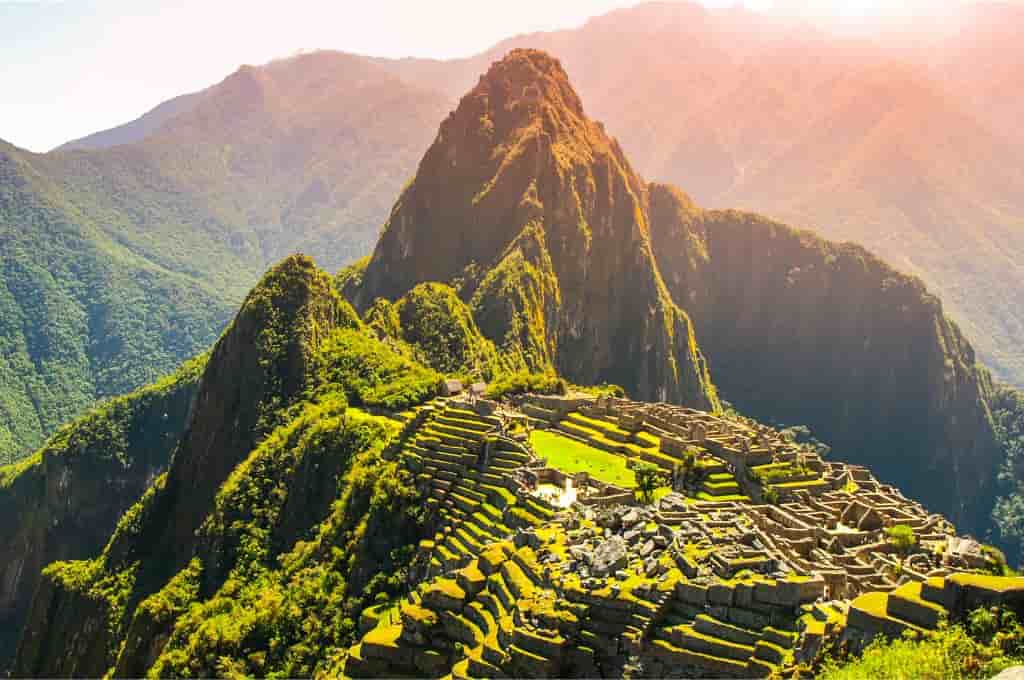
1. Machu Picchu – The Lost City of the Incas
No trip to Peru is complete without visiting Machu Picchu, the country’s iconic landmark. Machu Picchu is more than just a tourist site. It is an experience that you will always treasure. Often called the “Lost City of the Incas,” this UNESCO World Heritage Site sits high in the Andes Mountains and is a masterpiece of ancient engineering and spirituality. Perched 7,972 feet (2,429 meters) above the rushing Urubamba River, Machu Picchu is home to well-preserved structures, terraced agricultural fields, and spectacular views that continue to emit spiritual energy. The achingly gorgeous and mysterious Inca city is one of the world’s 7 wonders and on many people’s bucket lists.
Built in the 15th century, Machu Picchu remained hidden from the outside world until its rediscovery in 1911 by the American archaeologist Hiram Bingham. Today, travelers can reach the site by train or by hiking the famous Inca Trail, which traverses 42 kilometers. The panoramic views, mysterious stone structures, cascading terraces, and fascinating history make Machu Picchu one of the world’s most celebrated archaeological sites.
Highlights of Machu Picchu:
- Sun Gate (Inti Punku): the original entrance to the Inca Trail, offering a panoramic view of the citadel.
- Agricultural terraces: still used for experimental farming today
- The Guardhouse (Caretaker’s Hut): one of the best spots to enjoy panoramic views of Machu Picchu.
- Temple of the Three Windows: a famous trapezoidal stone structure overlooking the main plaza.
- Sacred Plaza: hosts three key buildings—the Main Temple, the Three-Windowed Temple, and the Priest’s House.
- Huayna Picchu: a majestic mountain located to the north of Machu Picchu.
- Intihuatana Stone: Inca solar clock, believed to have been carved from a single block of granite.
How to Get There:
- By Train: A scenic two-hour journey from Ollantaytambo (Sacred Valley) to Aguas Calientes, followed by a bus to the ruins.
- By Hiking: The famous Inca Trail (a 4-day trek) or alternative routes such as the Salkantay Trek.
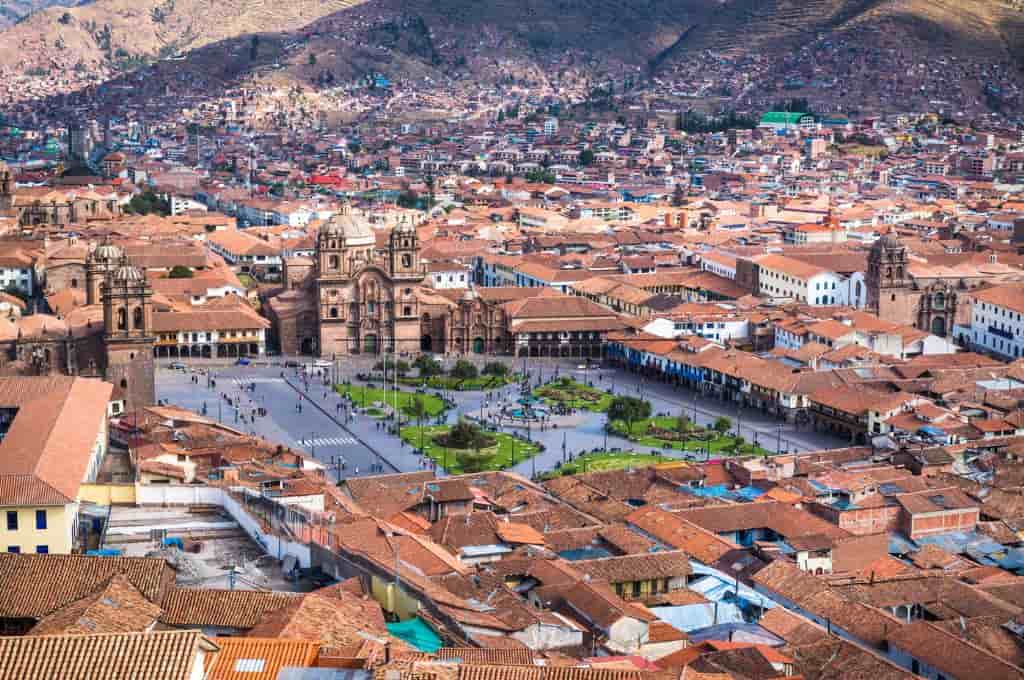
2. Cusco – The Ancient Inca Capital
Once the capital of the Inca Empire, Cusco is now the Archaeological Capital of the Americas. Cusco is among the world’s oldest inhabited sites, seamlessly combining Inca and Spanish colonial architecture. Spectacular views, Inca ruins, lively markets, ancient treasures, and modern gems await around every turn. The eclectic city is Peru’s most popular tourist destination, and it’s not just because of its many attractions. Cusco, at an elevation of more than 3,200 meters above sea level, serves as a gateway to the legendary Machu Picchu and the scenic Sacred Valley. Spending a couple of days here helps visitors acclimate, and there are plenty of things to do in this charming town to enjoy while adjusting to the altitude. Tourists can stroll through cobbled streets and elegant plazas, admire centuries-old churches, and explore lively markets offering local crafts.
Highlights of Cusco:
- Sacsayhuaman: the hilltop fortress is one of Cusco’s top Inca archaeological sites.
- Plaza de Armas – the vibrant heart, surrounded by museums, churches, and restaurants
- Inca Museum: houses a large collection of artifacts from the Inca and pre-Inca periods.
- San Pedro Market: the city’s main food market is a vibrant sensory experience
- Historical Museum of Cusco: exhibits archaeological artifacts from Cusco and the Peruvian coast
- Choquequirao: the 15th-century Inca citadel is widely celebrated as the “sister city” of Machu Picchu
- Cusco Cathedral (Cathedral Basilica of the Virgin): one of the most famous churches in America and Peru
- Qorikancha: the most revered temple in the Inca Empire, devoted mostly to the Sun God Inti.
How to Get There:
Most visitors arrive in Cusco by taking a short domestic flight from Lima
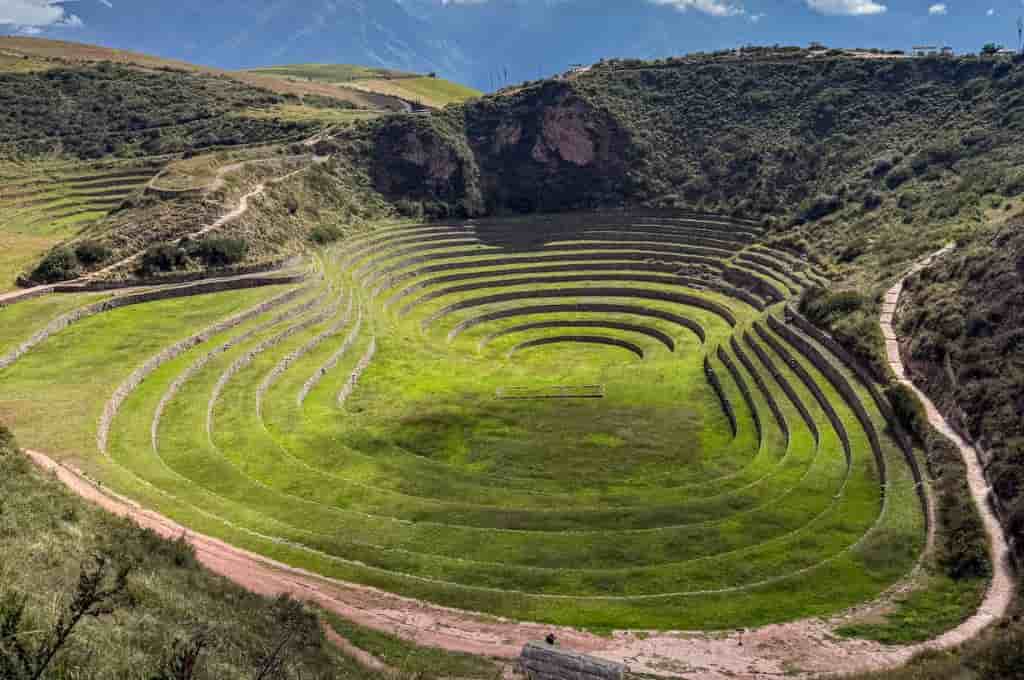
3. Sacred Valley – A Journey Through History
Nestled between Cusco and Machu Picchu, the Sacred Valley is a must-visit for those wanting to experience Peru’s arresting beauty and living Inca heritage. This 100-kilometer stretch along the Urubamba River was once the heart of the Incan Empire. Surrounded by the magnificent Andes Mountains and fertile farmland, the valley was highly valued by the Incas for its favorable climate and agricultural productivity. Today, travelers can explore tiny, authentic Peruvian villages, impressive Incan ruins, terraced agricultural fields, and colorful local markets. The valley also provides excellent options for hiking, mountain biking, and cultural experiences. Just 21 miles from Cusco, it’s easily accessible on a day trip, and its slightly lower altitude makes it ideal for hikers to acclimate. Whether you’re hiking, discovering ancient ruins, or simply soaking in the beauty of the Andean Mountains, the Sacred Valley offers a memorable and rewarding experience.
Highlight of the Sacred Valley
- Pisac Ruins: famous for their sweeping agricultural terraces, hilltop Incan fortress, and ancient burial sites.
- Ollantaytambo: the last big Inca stronghold after the Spanish invasion. Home to the imposing Inca fortress
- Aguas Calientes: the nearest town to Machu Picchu, located in the valley beside the Urubamba River.
- Moray Terraces: massive, bowl-shaped concentric agricultural terraces with a 15-degree temperature difference between levels
- Maras Salt Mines: a surreal canyon patchwork of over 3,000 terraced salt ponds still harvested using centuries-old methods
- Urubamba: a hub for adventure tourism with rock climbing, trekking, and downhill biking
- Pisac Market: a place to do a little shopping for traditional textiles, pottery, and souvenirs.
- Chinchero village: a historic Andean town globally renowned as the premier center of traditional Peruvian weaving
How to Get There:
First, fly into Cusco. From there, you can travel into the valley by taxi, bus, or on an organized tour.

4. Nazca Lines – The Enigma of the Peruvian Desert
Located about 6 hours by road from Lima, the Nazca Lines are one of Peru’s most intriguing archaeological enigmas. Ever since pilots in the 1920s spotted them, they have fascinated both travelers and archaeologists. These ancient geoglyphs, covering 1000 square kilometers of arid plains in southern Peru, were created by the ancient Nazca people between 500 BCE and 500 CE. There are literally hundreds of designs, ranging from straight lines and geometric shapes to depictions of animals and plants. Nobody really knows why the Nazca people etched them across the dusty landscapes, or how they remained engraved for so long. While their purpose remains debated, hypotheses include alien origins, ritual uses, astronomical calendars, and water maps. Some of the gigantic drawings are almost 300 meters long and so huge that they can only be seen from the air. Highlights include a monkey, a spider, an astronaut, a condor, and a hummingbird.
To fully grasp the magnitude and complexity of the Nazca Lines, the ancient markings need to be viewed from a small plane. If you’re on a tight budget or don’t want to fly, many lines and figures can be seen from the roadside observation tower.
How to Get There:
Nazca City is located roughly 450 kilometers south of Lima and takes about 7-8 hours to get by road. The María Reiche Aerodrome in Nazca offers scenic flights lasting 30 to 40 minutes. over the Nazca Lines
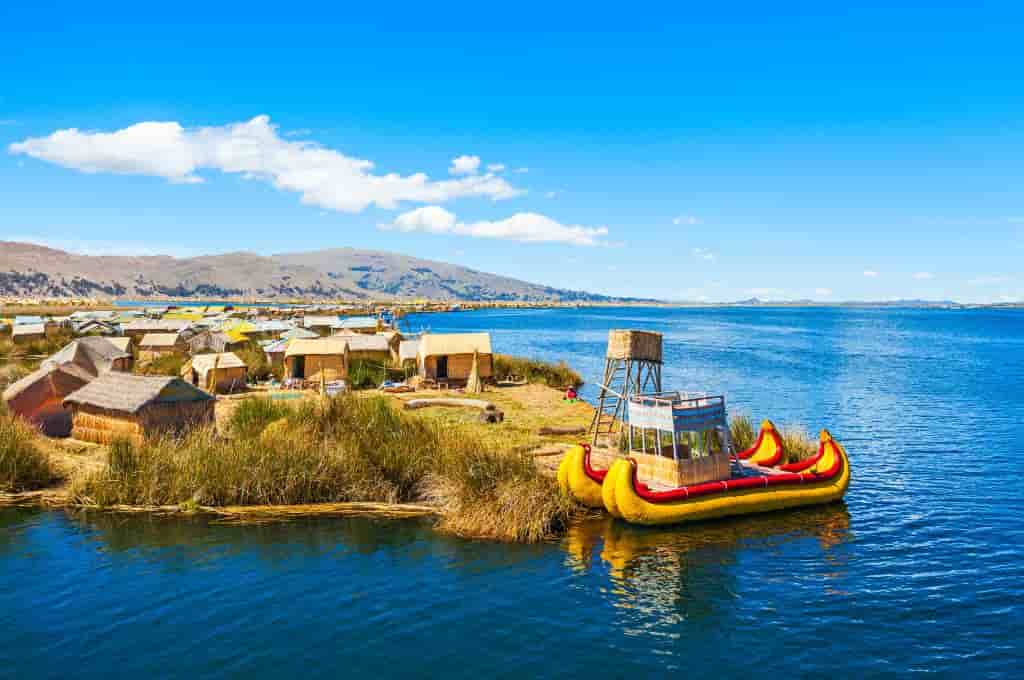
5. Lake Titicaca – World’s Highest Navigable Lake
Straddling the border between Peru and Bolivia, Lake Titicaca is the highest navigable lake in the world. The lake is believed to be the birthplace of the Inca civilization and has a strong connection to Andean mythology. Located at a whopping 3810 meters above sea level, Lake Titicaca has a surface area of over 3,100 square miles and is fed by five major river systems. The snow-covered Bolivian Andes encircle the shimmering blue waters of Lake Titicaca, with many Inca ruins scattered along its shores. Lake Titicaca is home to 41 islands, some of which are densely populated.
Visitors can explore ancient ruins, incredible views, and the famed floating islands built by the Uros people. Savor the opportunity to interact with indigenous communities that uphold centuries-old traditions and ways of life. Learn about the heritage, weaving technique, and other skills that date back generations. Lake Titicaca is also a popular wildlife destination in Peru. The neighboring major reserve is home to the Titicaca water frog, wild Guinea pigs, and Andean foxes.
Highlight of Lake Titicaca
- Uros Island: a set of approximately 80 artificial, floating islands built entirely from totora reeds
- Taquile Island: a stunning, traditional island famous for its breathtaking Andean scenery and celebrated traditional textile art.
- Puno Town Center: the historic and colonial center of Peru’s Lake Titicaca region. It is the primary hub for lake tours.
- Amantani Island: a stunning, car-free sanctuary renowned for its experiential homestays, allowing visitors to stay with local families and witness their ancestral customs firsthand.
How to Get There:
Puno serves as the primary gateway to the Peruvian side of Lake Titicaca. For those preferring to fly, the nearest airport is Juliaca, a small town about 44 kilometers from Puno. From Juliaca, you can reach Puno’s city center by bus or taxi. Flights from Cusco take just one hour, while those from Lima last around 1.5 hours. Alternatively, travelers can take a train from Cusco to Puno in approximately 10 hours or opt for a 7-8 hour bus journey.
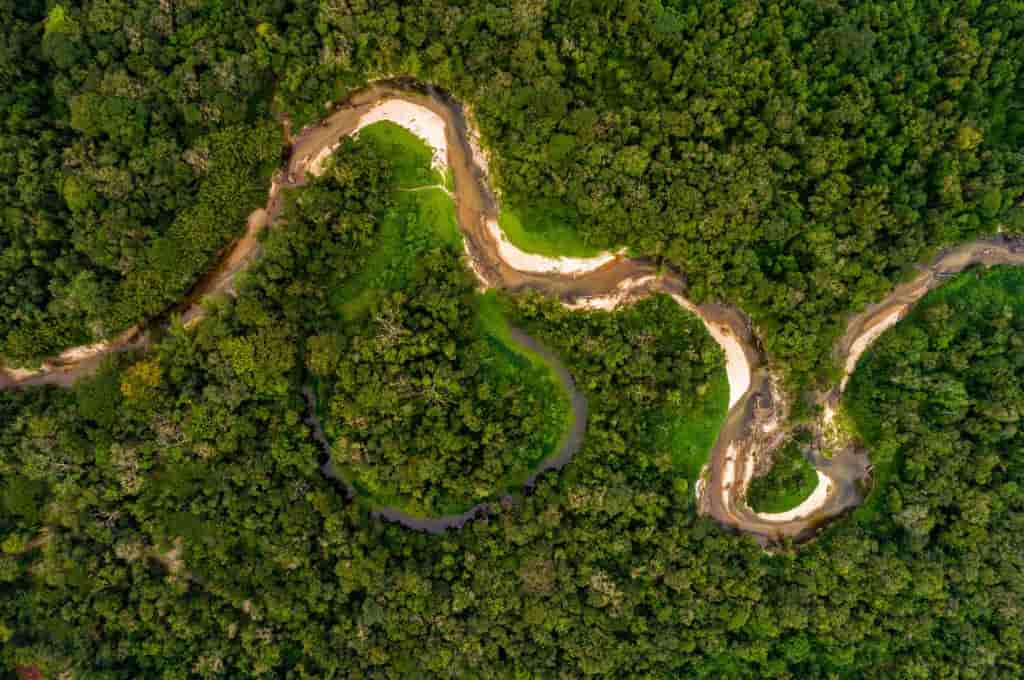
6. Amazon Rainforest (Puerto Maldonado)
When it comes to the top places to visit in Peru, the Peruvian Amazon cannot be overlooked. The Amazon rainforest spans nine countries and is widely recognized as the world’s most biologically diverse region. Peru has the second-largest area of the Amazon basin, after Brazil, with the Amazon Rainforest covering over 60% of its terrain. Puerto Maldonado serves as a popular gateway to this incredible natural wonder. Many tourists visit the Amazon from Iquitos; however, Iquitos lacks road connectivity and is best suited for bucket-list river excursions and spotting pink dolphins. Puerto Maldonado offers excellent land-based wildlife viewing and is possibly the most accessible entry point to the Amazon jungle.
Starting from Puerto Maldonado, visitors can explore the incredibly biodiverse Tambopata National Reserve, encompassing more than 270,000 hectares of immersive wilderness. Visitors can stay in eco-lodges, embark on jungle excursions, canopy walks, and river cruises, and encounter exotic wildlife such as monkeys, sloths, macaws, caimans, giant river otters, alligators, and even elusive jaguars. The Amazon offers an entirely different side of Peru compared to its mountain regions.
How to Get There:
To reach Puerto Maldonado, one usually needs to fly from Lima to Cusco, then continue to the Padre Aldamiz (PEM) airport. Most flights will stop at Cusco. From Cusco, a quick direct flight takes only about 45 minutes. If you choose not to fly, you can take an overnight bus from Cusco.
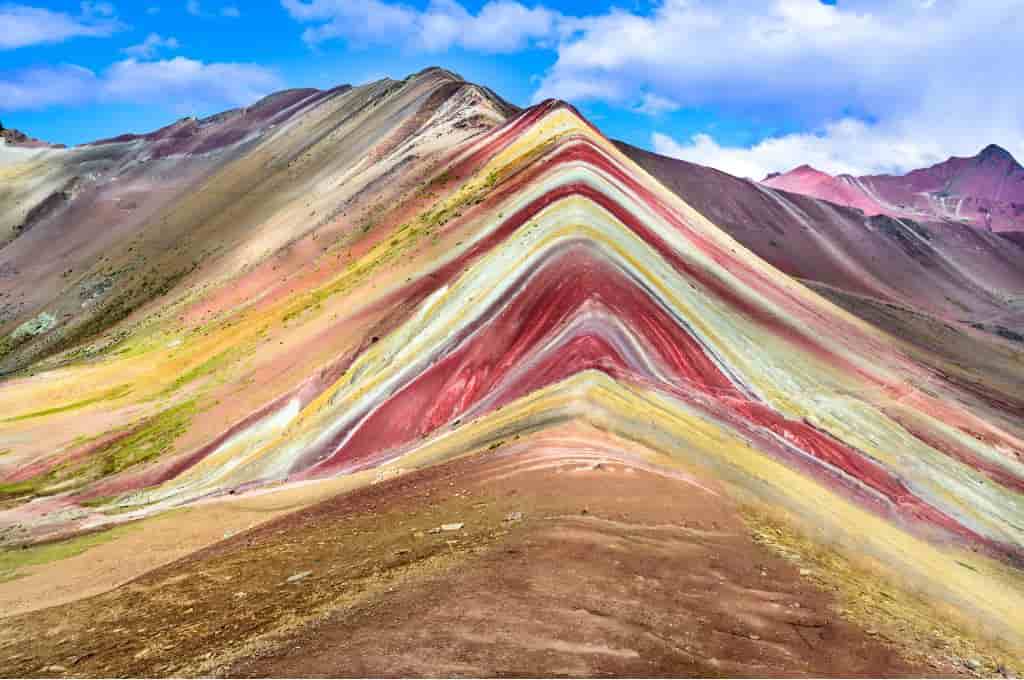
7. Rainbow Mountains – A Natural Wonder
Rainbow Mountain, also known as Vinicunca or Montaña de Siete Colores (Mountain of Seven Colors), is among Peru’s best-known attractions. The mountain, located just 62 miles from Cusco at an elevation of 5200 meters above sea level, is a deeply revered holy site for Peru’s indigenous Quechua community. It was largely unheard of before 2015, but owing to social media, it is now one of the most popular sites to visit in Peru. The mountain, which is high in the Vilacanota Mountain range, gets its name from the spectacular, colorful striations on its surface that resemble a rainbow. Mineral-rich sediment exposed for millions of years generated these vibrant layers of red, pink, yellow, green, turquoise, and lavender. A strenuous but rewarding hike through picturesque alpine landscapes is required to reach the summit, where tourists may enjoy panoramic views of snow-capped peaks, grazing alpacas and llamas, and the vivid rainbow-colored slopes that have come to symbolize Peru’s natural beauty. If you don’t want to hike, mountain biking or horseback riding are additional options. Sadly, mass tourism has damaged trails and destroyed natural habitats. Don’t expect the colors to be as vivid as they are on Instagram.
How to Get There:
It’s a 3-and-a-half-hour drive from Cusco, along with a scenic 3-mile hike to reach the summit.
Got a longer trip? Consider these places too
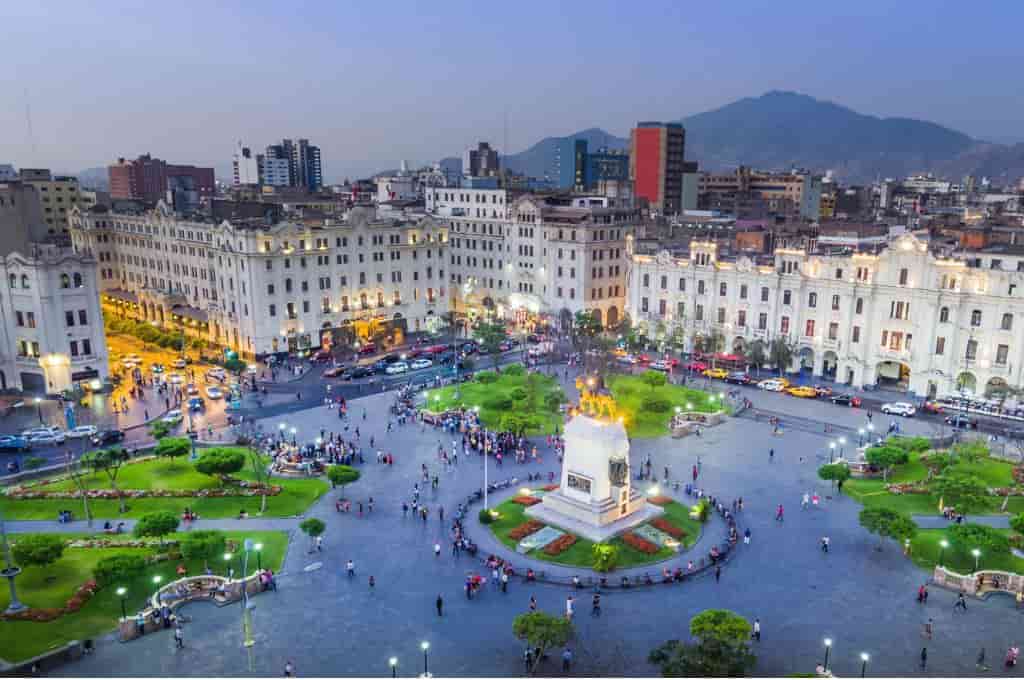
8. Lima – The Capital City
Lima is Peru’s capital and its industrial and financial center, so you’ll most likely start or end your trip here. It’s an ideal spot to kick off your vacation, offering a glimpse of the country’s rich culture and cuisine. Located along the Pacific Coast, Lima blends modern urban energy with colonial architecture and ancient archaeological sites. The city often amazes visitors with its lively culture, fascinating history, and world-renowned culinary scene. The main tourist area is Centro Historico, a UNESCO World Heritage Site encompassing the elegant Plaza Mayor, Plaza San Martín, the Archbishop’s Palace, the Government Palace, and several of the country’s best museums.
Don’t pass up the chance to take a leisurely walk along the scenic Miraflores, a 10-kilometer-long paved trail hugging the spectacular Pacific coastline. Lima is renowned as one of the world’s culinary capitals, making it highly appealing to foodies. From fresh ceviche to inventive fine dining experiences, the city has countless culinary delights. Lima is also known for its fantastic nightlife.
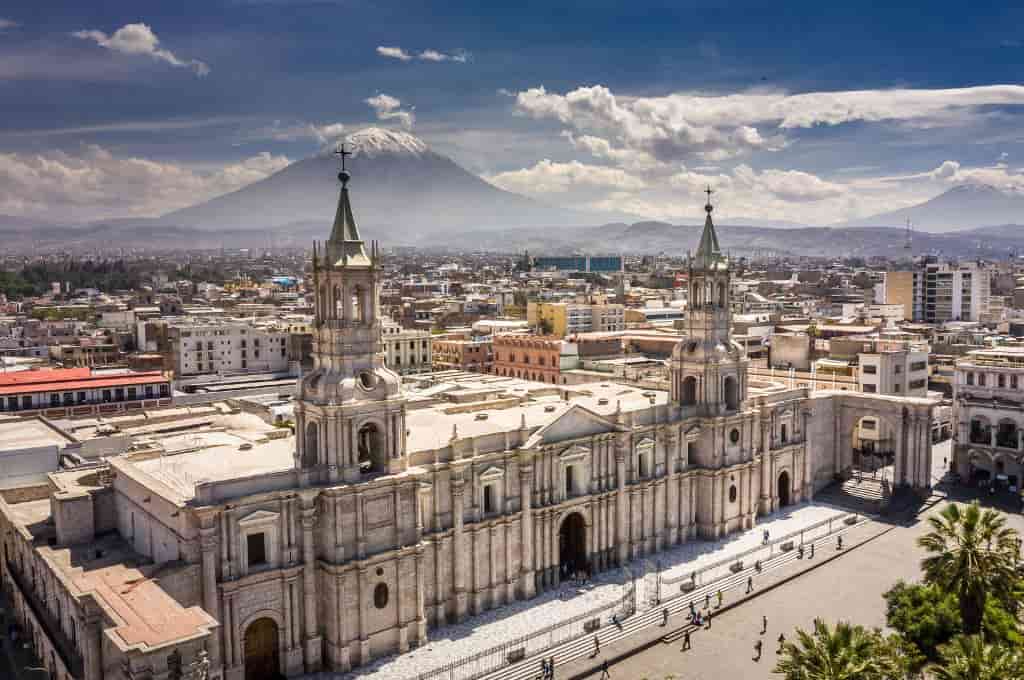
9. Arequipa – The White City
Nicknamed the “White City” for its elegant buildings made of white volcanic stone, Arequipa is one of Peru’s most picturesque urban destinations. The city is surrounded by three volcanoes, including the still-active El Misti. Dominated by dramatic landscapes, the city boasts impressive architecture and a laid-back vibe. Make time to explore Plaza de Armas, Peru’s most charming town square. The historic center is a UNESCO World Heritage Site and offers numerous opportunities to learn about Peru’s rich colonial heritage. This is where you’ll find Arequipa’s Basilica Cathedral and traditional Peruvian markets. Visit Mirador de Yanahuara for a spectacular view of the city and surrounding volcanoes. Arequipa is not only beautiful, but also the nearest town to the famous Colca Canyon. The city is also known for its vibrant food scene. Rocoto Relleno and Adobo are two of the city’s iconic dishes.
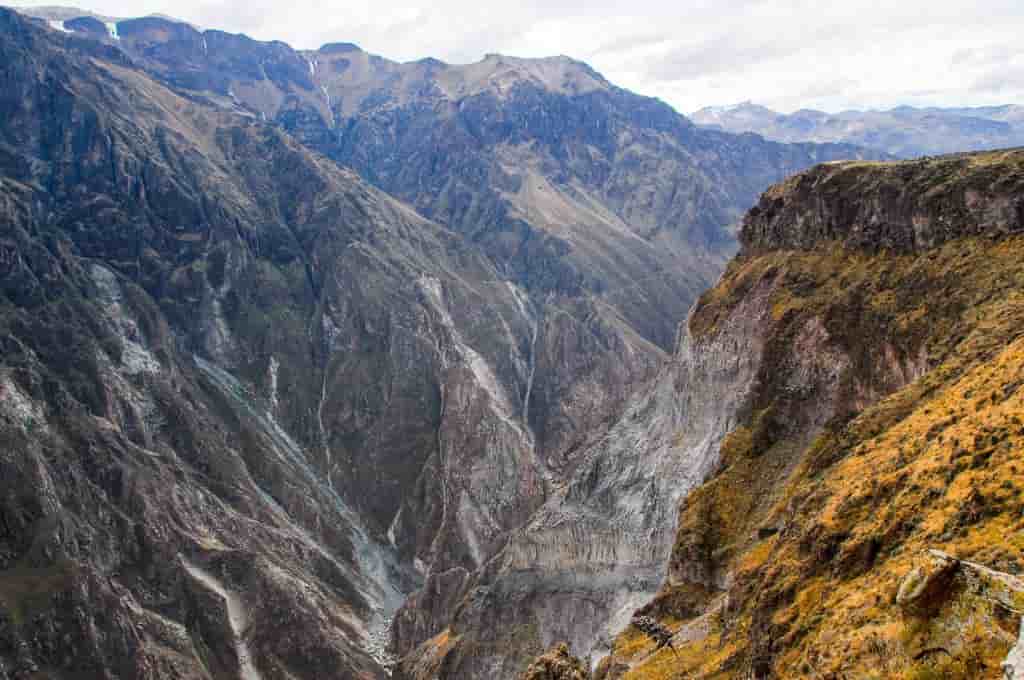
10. Colca Canyon – World’s Deepest Canyon
Colca Canyon is often referred to as South America’s answer to the Grand Canyon. Plunging more than 3000 meters deep, it is one of the world’s deepest canyons. In certain areas, it is twice as deep as the Grand Canyon, making it a paradise for outdoor enthusiasts. The canyon’s rugged terrain and stunning landscapes draw hikers, nature enthusiasts, photographers, and wildlife lovers from around the globe. One of the main attractions is the massive Andean condors soaring above the canyon walls. The region also features traditional villages, terraced Inca farmlands, natural hot springs, local markets, and some of Peru’s best trekking routes. To fully experience Colca Canyon, multi-day hikes are recommended. The nearest major city is Arequipa, approximately a three-hour drive away.