

New Year’s Eve is celebrated almost everywhere, but each country has its own special way of welcoming the new year. While fireworks, parties, and the midnight countdown are common sights, many cultures around the world observe unique rituals believed to bring good luck, success, health, and happiness for the year ahead. From eating twelve grapes at midnight in Spain and smashing plates in Denmark to ringing Buddhist temple bells in Japan, these fascinating customs show just how beautifully different cultures celebrate new beginnings. In this blog, we’ll take a closer look at some of the unique New Year traditions from around the world and discover what makes each celebration so uniquely special.
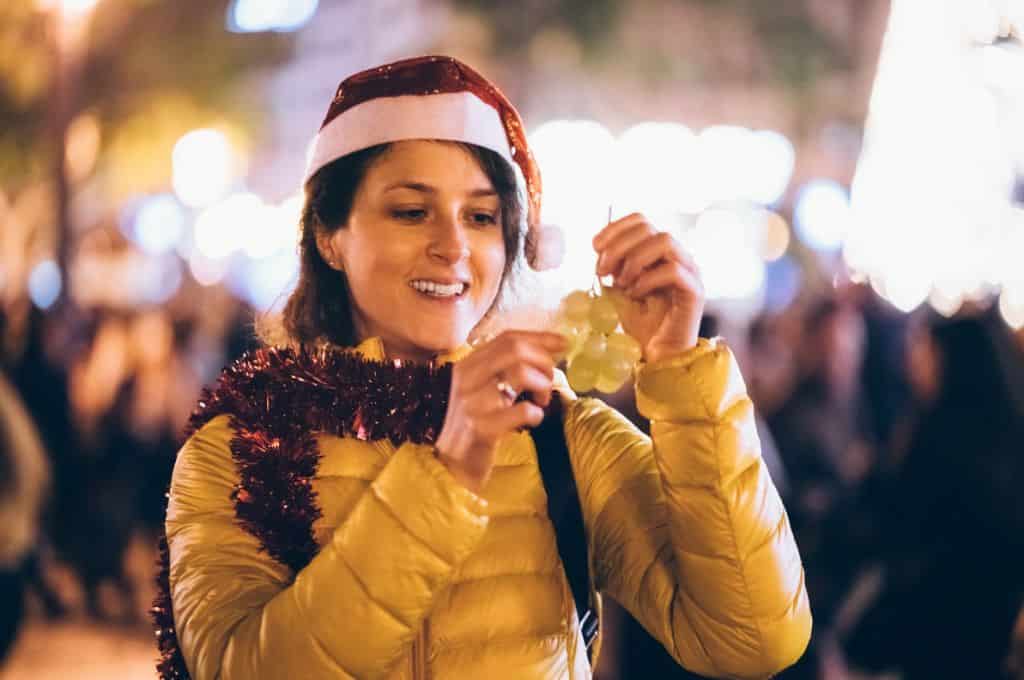
1. Spain – Eating Twelve Grapes at Midnight
In Spain, it is customary to eat 12 grapes to ring in the New Year. The “Twelve Grapes of Luck” is a Spanish tradition that began in the late nineteenth century. As the clock strikes midnight, people eat one grape for each of the twelve chimes. Each grape represents a month of the coming year, and finishing all twelve on time is thought to bring good luck and riches. The tradition is often accompanied by lively music, laughter, and champagne. The pale green, thin-skinned grapes are harvested in late November or December.
The ritual is so popular that families and friends often gather around their televisions to watch the famed midnight clock in Madrid’s Puerta del Sol. People assemble in the main squares of larger cities, such as Madrid and Barcelona, to eat the grapes and drink cava (Spanish sparkling wine). The tradition has been embraced by other Hispanic countries, so expect to see it in Latin America as well.
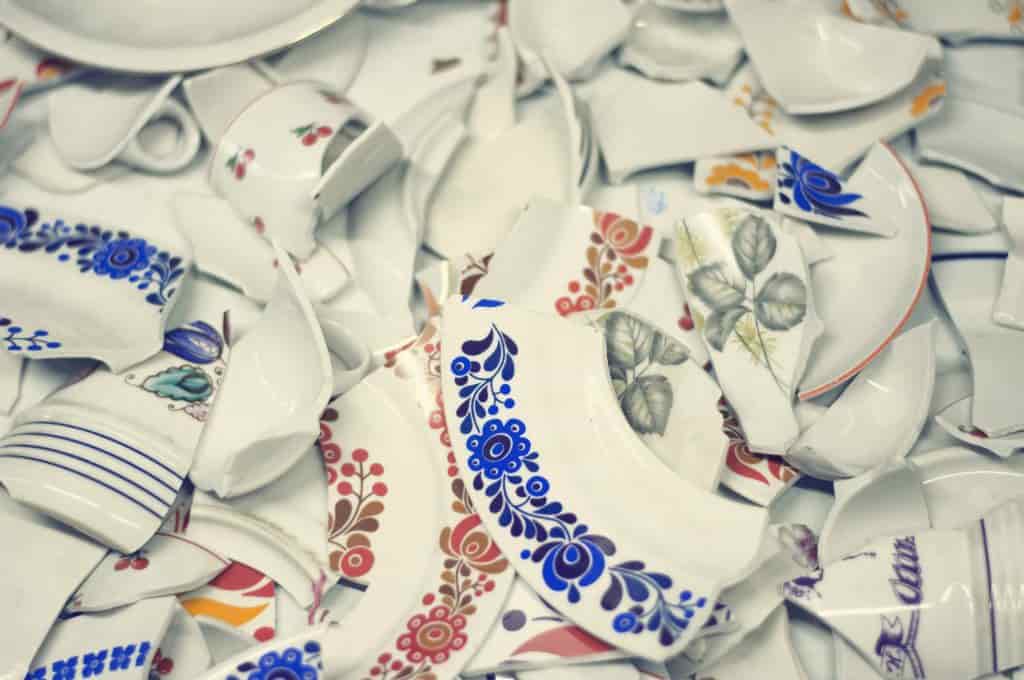
2. Denmark – Breaking Plates
One of Denmark’s most bizarre New Year traditions involves smashing old plates and dishes. People hold on to unwanted and chipped crockery throughout the year. On New Year’s Eve, they go over to friends’ and family’s homes and break them against the front doors. People do not clear the debris, allowing it to pile up. The more shards you have on your doorstep the next morning, the more loved you are. It suggests you have many loyal friends who want to wish you luck in the new year. Tradition states that gathering more broken plates will bring you greater good in the coming year.
Another unique Danish ritual is to climb upon a chair a few seconds before midnight. When the clock strikes twelve, Danes will leap from their chairs, ushering in the new year with style. Forgetting to leap can be a source of concern because it is supposed to bring bad luck for the entire new year.
3. Scotland – First-Footing
Hogmanay is the Scottish term for New Year’s Eve, celebrated on December 31. There are several traditions related to Hogmanay, including first-footing, which dates back to the 8th century, when the Vikings invaded Scotland. According to custom, the first person to enter your home after the clock strikes twelve can influence your family’s fate for the coming year. It is especially lucky if the first-footer is a tall, dark-haired male. The first-footer might bring gifts such as whiskey, shortbread, coal, or salt, representing warmth, sustenance, and prosperity. Celebrations often include bonfires, fireworks, torchlight processions, and traditional music and dance.
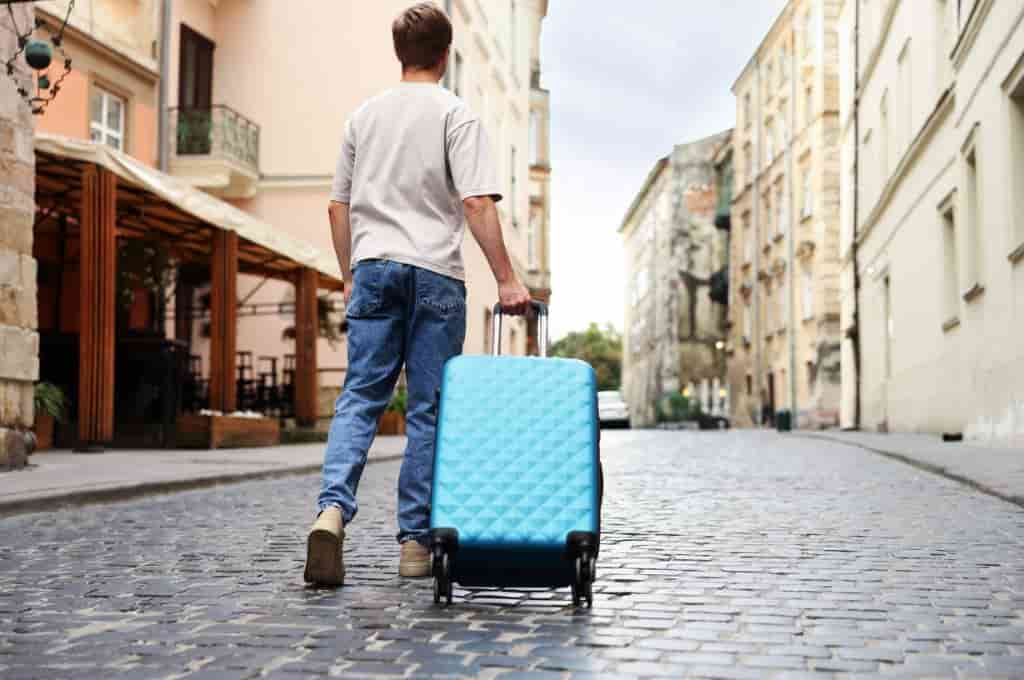
4. Colombia – Carrying an Empty Suitcase
Colombia has a charming New Year tradition that brings good luck and inspires more travel in the year ahead. As the clock strikes midnight on December 31st, people walk around the neighborhood with empty suitcases. The quirky custom, particularly popular among travel enthusiasts, symbolizes a year filled with travel and adventure. This tradition is practiced in other Latin American countries, including Ecuador.

5. Greece – Hanging an Onion
The traditional Greek custom of hanging an onion on one’s front door is associated with New Year’s celebrations. The many layers of the onion symbolize growth, fertility, and renewal, so it is hung on the door to bring all this into the coming year. On New Year’s Day, it is also customary for parents to awaken their children by gently tapping their heads with an onion, a charming tradition that signifies a fresh start. In Greece, there is also a tradition of holding a pomegranate in the right hand and smashing it on your front porch or door to ensure prosperity and fertility in the coming year. The more seeds you splatter, the more luck you will have in the year ahead.
6. Brazil – Jumping Seven Waves
New Year’s Eve in Brazil is closely tied to the sea, especially in coastal cities like Rio de Janeiro. After midnight, friends and family in white gather on the beach to leap over seven waves, expressing gratitude to the Afro-Brazilian ocean goddess Iemanjá for the good that happened over the past year. With each wave and jump, they make a wish for the year ahead. The number seven holds spiritual significance, and this ritual is believed to bring luck and positive energy. Brazilians wear white outfits because it symbolizes peace and harmony. Gifts are often placed on boards and pushed into the ocean.

7. Italy – Eating Lentils for Prosperity
In Italy, lentils are more than just a hearty New Year’s dish. Their small, round shape resembles ancient coins, so eating them at the start of the year is associated with wealth and financial prosperity. A traditional Italian New Year’s Eve meal often includes lentil dishes served alongside Cotechino, an authentic Italian sausage. The more lentils you eat, the luckier you will be in the year ahead. This custom extends beyond Italy, with many families in Chile and Brazil also celebrating it.
8. Japan – Ringing Temple Bells 108 Times
New Year’s is one of the most significant celebrations in Japan, and temples across the country participate in a wonderful midnight ritual known as Joya no Kane. Buddhist temple bells are traditionally rung 108 times in the countdown to New Year. According to Buddhist beliefs, there are 108 earthly desires that bring suffering. That night, the bell symbolizes spiritual cleansing, and the ritual is observed to purge past sins in preparation for the new year. It is believed that once you ring the bell, you can start the new year with a clean slate.
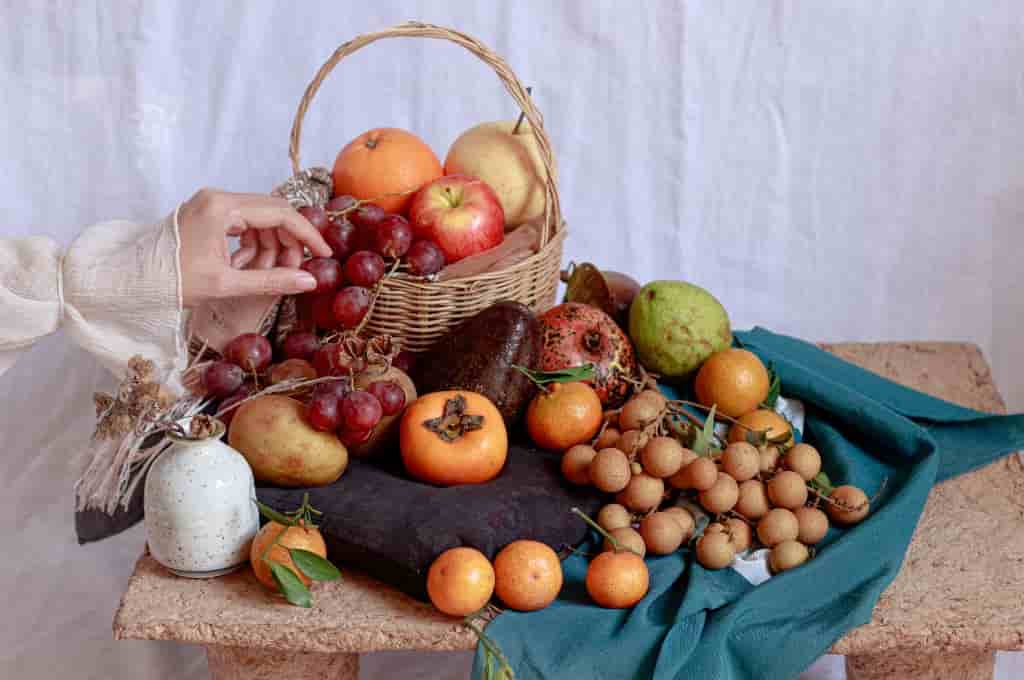
9. Philippines – Surrounding Yourself with Round Things
In Filipino culture, roundness symbolizes prosperity because it resembles coins. Consequently, round shapes are integral to New Year festivities in Philippines. The table will be laid with 12 different round fruits, and the tradition is to eat one for each month of the year for good things in the year to come. Some people wear polka-dot clothing or keep coins in their pockets at midnight in the hopes of attracting financial abundance and luck. As the year draws to a close, markets are filled with polka-dotted clothing.
10. Ecuador – Burning Effigies
In Ecuador, Año Viejo effigies are often burned on New Year’s Eve. Ecuadorians make giant, doll-like scarecrow effigies called ‘Viejos’ and burn them in the streets at midnight. Crafting these effigies is a traditional family activity in the run-up to the New Year. These figures often resemble unpopular public figures, celebrities, or anyone who has brought ill luck over the past year. The ritual is a farewell to the previous year, leaving behind its challenges and disappointments. It’s a unique symbol of revival and new beginnings.
11. Ireland – Knocking Bread Against the Walls
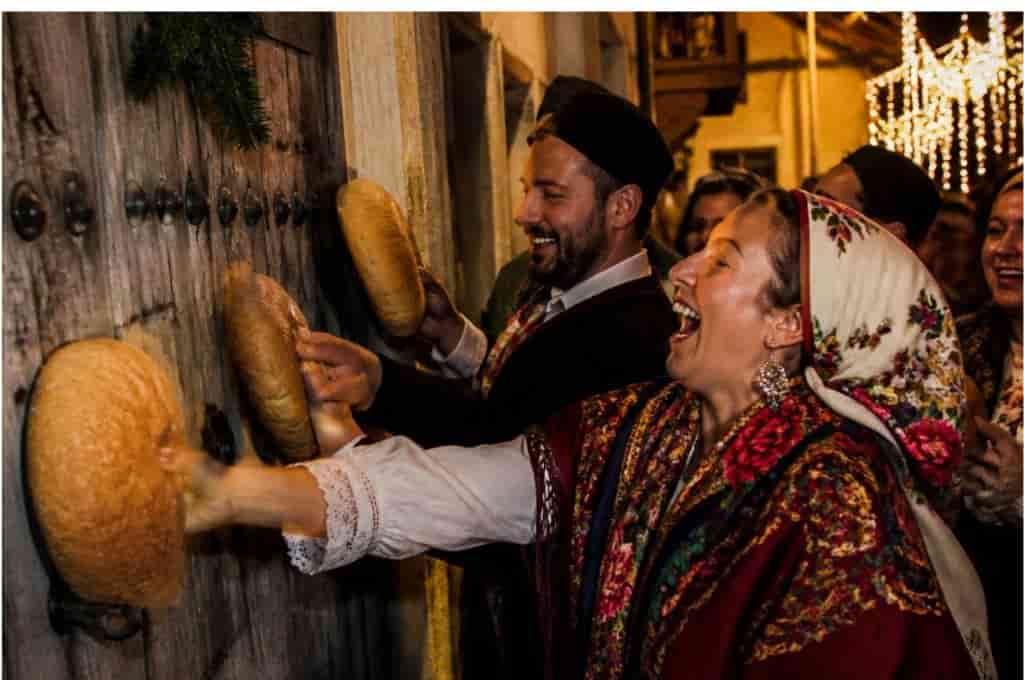
In Ireland, New Year’s celebrations involve hurling, smashing, and battering Christmas bread against the walls or doors of the house. The fun tradition does not include eating, only banging. The practice was intended to ward off bad luck and evil spirits while welcoming good fortune into the home. They then clean the entire house to start the new year on a positive note. Some homes in Ireland set aside an extra place at the table or keep the door open to welcome the spirits of departed loved ones to join the celebration. The practice truly combines elements of hospitality, superstition, and memories.
12. Estonia – Eating Several Meals
In Estonia, an old New Year tradition involves eating seven, nine, or even twelve meals on New Year’s Eve or Day. Estonian mythology considers these numbers to be lucky. The practice reflects the belief that eating frequently brings good luck, strength, and prosperity, and ensures you won’t go hungry in the coming year. It’s a fun ritual that associates food with good fortune and abundance. People do not have 12 full-size dinners; instead, they consume snacks or small portions at each sitting.

13. South Africa – Throwing Old Furniture
In South Africa, New Year’s Eve is a time to literally let go of past baggage. Many locals celebrate by tossing old furniture or household items from windows, watching them crash into the street below. It is seen as the ultimate act of letting go of the old and making room for the new. While this practice has become obsolete in many areas due to safety concerns, the core concept remains a strong symbol of renewal and leaving the past behind.
14. Finland – Predicting the Future with Melted Metal
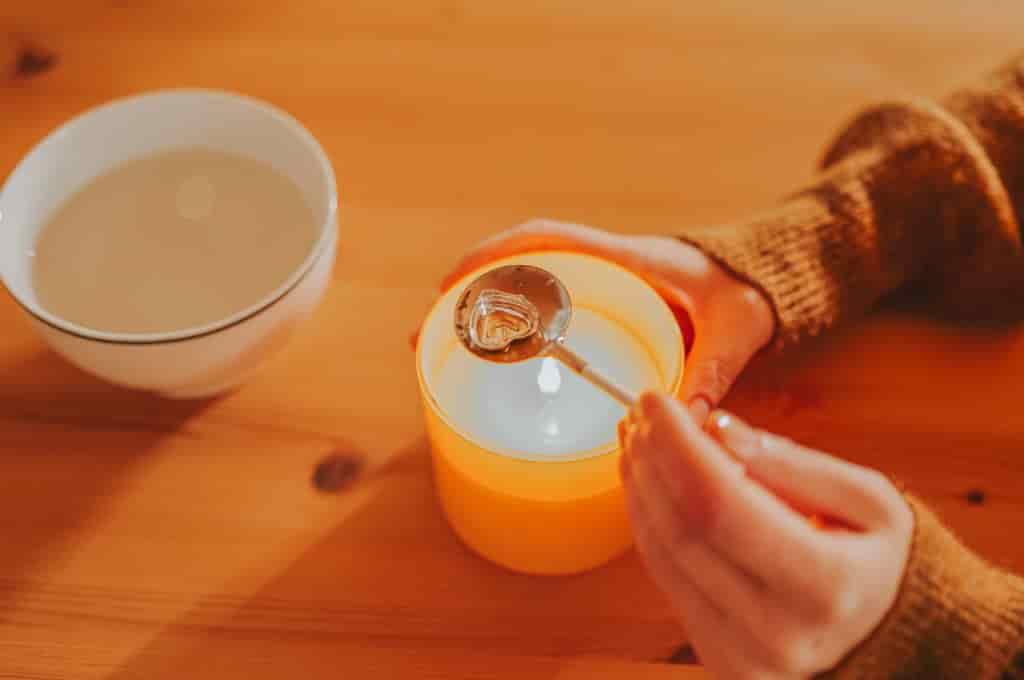
During the New Year, Finland has a unique fortune-telling tradition. Families melt a small amount of metal over a flame and pour the molten metal into cold water. The resulting random shapes are then interpreted as predictions for the year ahead: a heart suggests love, a ship indicates travel, and a coin promises wealth. This somewhat spooky ritual is a fun and reflective way to start the New Year. Although the traditional practice has raised safety and environmental concerns, the practice of fortune-telling using shapes remains part of Finland’s New Year traditions.
15. Mexico – Wearing Coloured Underwear
Mexico adds a playful twist to unique New Year traditions around the world. It is traditional to wear brightly colored underwear on New Year’s Eve. People choose the color of their underwear based on what they hope to attract in the New Year. Different hues symbolize different things. Red is associated with love and passion, yellow with good fortune, green with well-being, and white with a peaceful year. Street vendors sell a variety of options in the lead-up to New Year’s. The personal, whimsical, and unexpectedly popular practice may also be seen in a few South American countries, such as Brazil and Peru.
16. Canada – Jumping into freezing waters
The tradition, known as the Polar Bear Swim, began in 1920 and involves people plunging into the cold waters of Vancouver’s English Bay on New Year’s Day. This ritual has now spread across the country, with Canadians jumping into the new year with a freezing start.
Canadians also practice another unusual New Year’s tradition: going out fishing at midnight in frigid conditions. They drill through the ice, cast their lines, and ring in the new year with their favorite winter activity, ice fishing. Families rent heated tents and cooking equipment to roast their freshly caught fish over campfires and welcome the New Year with their loved ones in a unique way.

17. New York -Watch the ball drop
In 1907, Adolph Ochs, the owner of the New York Times, organized the countdown event in New York to draw attention to the newspaper’s new headquarters. Since then, the NYC ball drop has become an iconic event of epic magnitude. Every year on New Year’s Eve, thousands of people assemble in Times Square to witness the ball drop, which begins its minute-long descent at 11:59 p.m. Millions of Americans sit in front of their televisions to watch the great spectacle.
18. Colombia – Three Potatoes under Bed
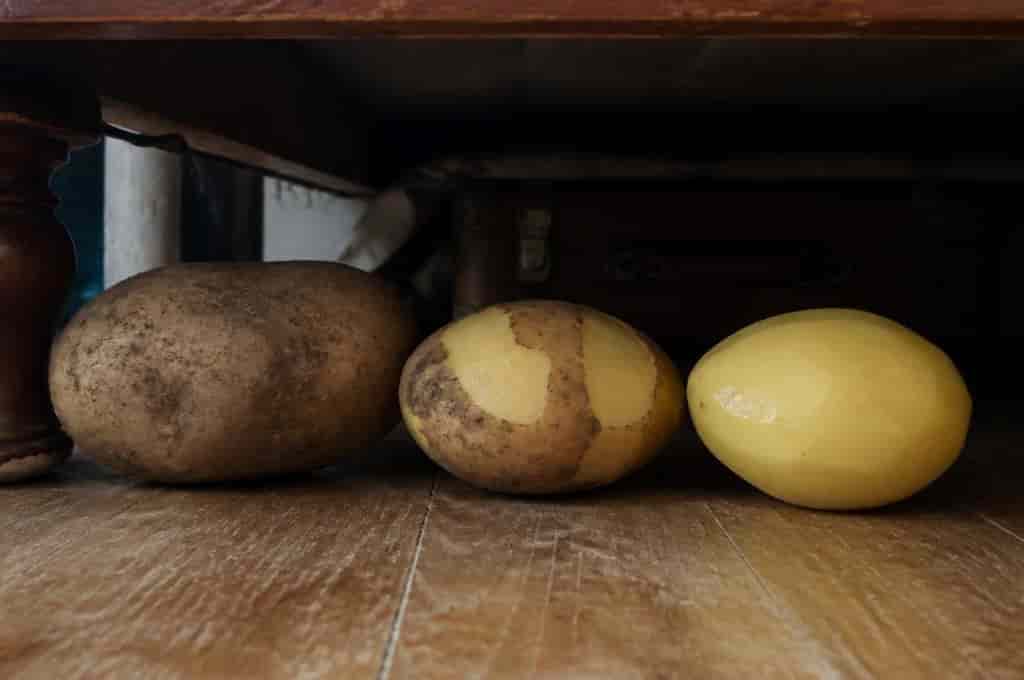
On New Year’s Eve, Colombian households observe a tradition called Agüero, believed to predict financial luck for the coming year. They place three potatoes under each family member’s bed: one peeled, one unpeeled, and the third partially peeled. At midnight, without looking, each person reaches under the bed and picks one of the three potatoes. Depending on which potato they grab, they can predict their fortune for the year ahead. An unpeeled potato suggests a year of good fortune; a peeled potato means the person will encounter financial hardships; and a partially peeled potato indicates something in between — a mix of financial challenges and stability.
19. Cuba – Throwing a Bucket of Water
In Cuba, there is a unique way to drive away evil spirits and negative energy: dumping a bucket of water out the doors and windows onto the streets. Right as the clock strikes midnight, it is common to see buckets of dirty water flying out of homes. The practice is rooted in the belief that starting the new year with a fresh perspective requires letting go of bad luck, negative energy, and past misfortunes.
20. Germany – Watching ‘Dinner for One’
Every New Year’s Eve, half of Germany laughs along as they watch the British comedy sketch ‘Dinner for One’. Since 1963, this classic has aired on German public TV every December 31st. Watching this black-and-white short film on New Year’s Eve has become a tradition in Germany, Sweden, and several other European countries. The hilarious story follows a 90-year-old woman who wishes to celebrate her birthday with her close friends. However, they have been dead for over 25 years, so the waiter must fill their shoes. Some diehards even prepare the four-course banquet depicted in the 18-minute film.
Aren’t these New Year traditions just so unique and fun?? If you know of other fascinating ones not listed above, feel free to share them with the readers in the comment section below.